

Menu
Islamabad, Pakistan
Appointments: 0305-5552797
Join a Centre of Clinical Excellence with Exclusive OPD Opportunities for Consultant Specialists
Join a Centre of Clinical Excellence with Exclusive OPD Opportunities for Consultant Specialists
Join a Centre of Clinical Excellence with Exclusive OPD Opportunities for Consultant Specialists
Join a Centre of Clinical Excellence with Exclusive OPD Opportunities for Consultant Specialists

Patricia C. Amedee 4401 Waldeck Street
Grapevine Nashville, TX 76051

(001) 88451234
(001) 88455438

Patricia C. Amedee 4401 Waldeck Street
Grapevine Nashville, TX 76051
(001) 88451234
(001) 88455438
Menu
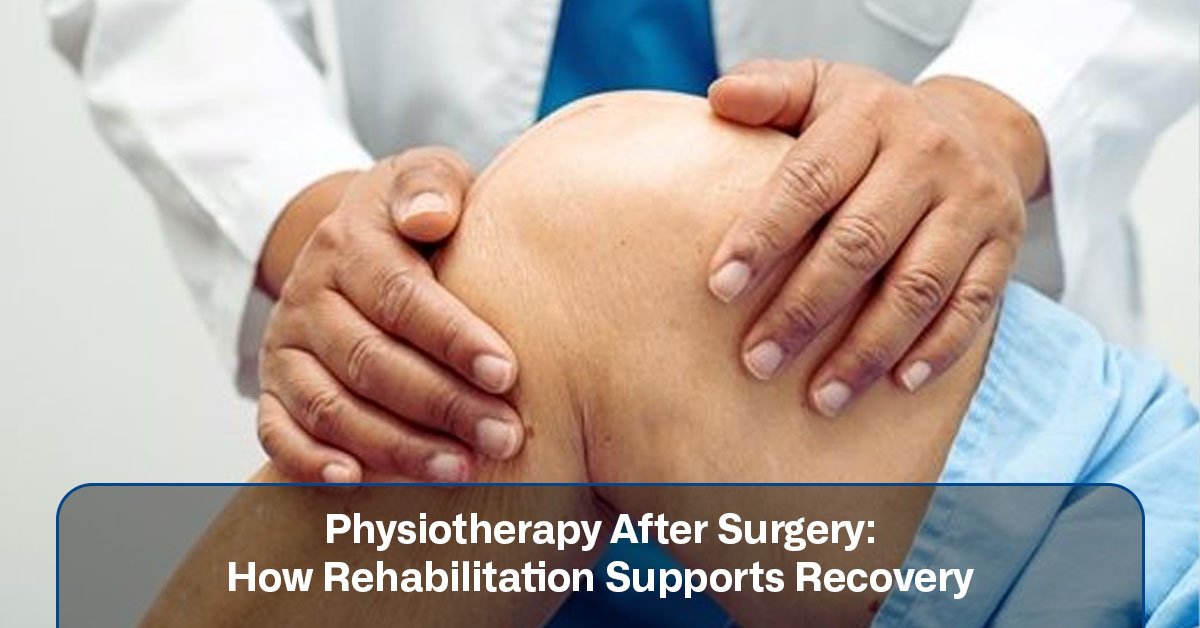
Surgery can be an important step toward improving your health, but recovery does not stop after the procedure. Your body may need time to regain strength, flexibility, balance, and normal movement. This is where physiotherapy Islamabad can make a valuable difference. With the right rehabilitation plan, patients can gradually improve mobility and return to their everyday activities.
After surgery, it is common to feel weak, stiff, or uncomfortable while moving. However, avoiding movement for too long can sometimes slow the recovery process. Therefore, doctors may recommend physiotherapy treatment to help patients move safely and rebuild their physical strength.
Whether you have undergone joint surgery, orthopaedic surgery, or another procedure that affects mobility, a structured rehabilitation Islamabad program can help you progress step by step.
What Is Physiotherapy After Surgery?
Physiotherapy after surgery is a planned form of rehabilitation designed to help the body regain movement and function. It may include exercises, stretching, mobility training, balance activities, and strength-building techniques.
The treatment is not the same for everyone. For example, someone recovering from knee surgery may need exercises focused on walking, knee movement, and muscle strength. On the other hand, a patient recovering from another type of surgery may need a completely different approach.
A qualified physiotherapist assesses your condition before developing a plan. This assessment may include your mobility, muscle strength, flexibility, balance, pain level, and ability to perform everyday activities.
As your condition improves, your physiotherapy Islamabad program can also be adjusted. This allows rehabilitation to progress gradually instead of placing unnecessary stress on the recovering body.
Why Is Physiotherapy Important After Surgery?
Surgery and inactivity can affect muscles and joints. When you spend a long time resting, muscles may become weaker and joints may become stiff. As a result, simple activities such as walking, standing, climbing stairs, or getting out of bed may become difficult.
Professional physiotherapy treatment helps patients understand how and when to move. Instead of immediately returning to normal activities, rehabilitation introduces suitable movements at the appropriate stage.
Furthermore, physiotherapy Islamabad can help patients build confidence. When movement becomes easier and strength gradually returns, patients often feel more comfortable becoming active again.
The main goals of rehabilitation may include:
- Improving flexibility and joint movement
- Restoring muscle strength
- Improving balance and coordination
- Reducing stiffness
- Supporting better mobility
- Improving walking ability
- Helping with everyday activities
- Supporting a gradual return to work or exercise
When Should Physiotherapy Start After Surgery?
There is no single starting time for every patient. The right time depends on the procedure, medical condition, age, and instructions provided by the surgeon.
Some patients may begin gentle movements shortly after surgery. Others may need more recovery time before starting active exercises. Therefore, it is important to follow your doctor’s recommendations.
Early post surgery physiotherapy does not necessarily mean difficult exercise. In many cases, rehabilitation begins with simple movements. These may include gentle range-of-motion exercises, breathing exercises, bed movements, or assisted walking.
With physiotherapy Islamabad, the objective is to support recovery without overloading the body. The intensity can increase gradually as strength and mobility improve.
How Does Physiotherapy Support Surgical Recovery?
1. It Helps Restore Movement
Limited movement is common after surgery. Pain, swelling, weakness, and stiffness can make it difficult to use the affected body part normally.
Physical therapy can introduce controlled movements that help improve flexibility and mobility. With consistent practice, patients may gradually find everyday movements easier.
2. It Builds Muscle Strength
Muscles can become weak when a person remains inactive after surgery. This weakness may affect walking, standing, lifting, and other daily activities.
A suitable physiotherapy treatment plan may include progressive strengthening exercises. The exercises can become more challenging as the patient becomes stronger.
3. It Improves Balance
Some surgeries can affect balance and walking confidence. This can make patients feel unstable, especially when they first begin moving independently.
A physiotherapist may include balance and coordination exercises in the rehabilitation plan. Consequently, patients can work toward safer and more confident movement.
4. It Supports Daily Activities
Recovery is not simply about reducing pain. Patients also want to return to their normal routines.
Post surgery physiotherapy may focus on practical activities such as:
- Getting out of bed
- Standing safely
- Walking
- Sitting and standing from a chair
- Using stairs
- Performing household activities
- Returning to work-related movements
5. It Helps You Return to Activity Gradually
Many patients are eager to return to their normal routine. However, increasing activity too quickly can place additional stress on the recovering body.
A structured rehabilitation Islamabad plan allows activity levels to increase gradually. The physiotherapist can explain which movements are appropriate and when it may be suitable to increase exercise.
What Happens During a Physiotherapy Session?
Every session can be different depending on the patient’s condition and stage of recovery. Usually, the physiotherapist begins by reviewing the patient’s progress.
They may ask about pain, movement, daily activities, and any difficulties experienced since the previous appointment. They may also check strength, flexibility, balance, and mobility.
After the assessment, the therapist may perform or recommend appropriate exercises. Patients may also receive home exercises to continue between sessions.
A typical session may include:
- Movement assessment
- Mobility exercises
- Gentle stretching
- Strength training
- Balance exercises
- Walking practice
- Functional movement training
- Home exercise instructions
Regular assessment is important because your needs can change during recovery. Therefore, your physiotherapy Islamabad plan may be modified as your strength and mobility improve.
Which Surgeries May Require Physiotherapy?

Many types of surgery can affect movement and physical function. However, not every patient requires the same level of rehabilitation.
Physiotherapy after surgery may be recommended following procedures involving the:
- Knee
- Hip
- Shoulder
- Spine
- Bones and joints
- Muscles and soft tissues
- Certain abdominal procedures
- Certain neurological procedures
Orthopaedic procedures often require rehabilitation because they can directly affect mobility, strength, and joint function. For instance, patients recovering from knee or hip surgery may initially have difficulty walking.
Similarly, shoulder surgery can affect arm movement and strength. A suitable physiotherapy Islamabad program can help patients work toward improved function while following the surgeon’s restrictions.
Can Physiotherapy Help With Post-Surgery Stiffness?
Yes. Stiffness can develop when movement is restricted after surgery. Joints and surrounding muscles may feel tight, particularly after periods of inactivity.
Appropriate stretching and mobility exercises can help improve movement. However, patients should avoid performing exercises that have not been approved for their recovery stage.
Doing too much too soon may cause unnecessary discomfort or complications. Therefore, professional guidance is important when starting physical therapy after surgery.
A physiotherapist can explain which movements are appropriate and which should be avoided during different stages of recovery.
What Are the Benefits of Guided Rehabilitation?
Recovering without professional guidance can sometimes be confusing. Patients may not know how much exercise is appropriate or whether a particular movement is safe.
Professional physiotherapy treatment provides a structured approach. Instead of following random exercises, patients receive a plan based on their condition, surgery, and recovery goals.
Potential benefits include:
- Personalized rehabilitation planning
- Improved mobility
- Better muscle strength
- Improved flexibility
- Better balance
- Safer movement
- Greater confidence
- Support for everyday activities
- Guidance for home exercises
Moreover, professional rehabilitation allows progress to be monitored. If an exercise is too difficult or no longer challenging enough, the therapist can make suitable adjustments.
Physiotherapy at Home vs. Clinical Physiotherapy
Home exercises can be an important part of recovery. In fact, patients are often given exercises to perform between professional sessions.
However, clinical physiotherapy Islamabad provides direct supervision. A physiotherapist can observe how you perform an exercise and correct your technique when necessary.
This can be particularly helpful after complex procedures. Patients can then continue approved exercises at home while attending scheduled rehabilitation sessions.
The best approach depends on your surgery, mobility, medical condition, and doctor’s recommendations.
How Long Does Post-Surgery Physiotherapy Take?
The duration of post surgery physiotherapy varies from one patient to another. There is no universal recovery timeline because every surgery and patient is different.
Several factors can affect rehabilitation time, including:
- Type of surgery
- Age
- Overall health
- Muscle strength
- Mobility before surgery
- Pain and swelling
- Surgical restrictions
- Progress during rehabilitation
Some patients may require only a few weeks of rehabilitation. Others may need several months of continued support.
Therefore, the focus should be on gradual improvement rather than comparing your recovery with someone else’s. A personalized rehabilitation Islamabad program can be adjusted according to your progress.
Tips for Better Recovery After Surgery
Patients can support their recovery by following their doctor’s and physiotherapist’s instructions carefully. Consistency is important, but so is allowing the body enough time to heal.
Consider the following:
- Follow your recommended exercise plan
- Attend scheduled physiotherapy treatment sessions
- Take adequate rest
- Avoid movements that your doctor has restricted
- Keep the surgical area protected
- Stay active within safe limits
- Follow your prescribed medication plan
- Report unusual symptoms to your healthcare provider
Most importantly, avoid rushing your recovery. A slower but controlled recovery can be more appropriate than returning to strenuous activities too early.
When Should You Contact Your Doctor?
Some discomfort may be expected after surgery. However, severe, sudden, or worsening symptoms should not be ignored.
Contact your healthcare provider if you experience:
- Severe or increasing pain
- Significant swelling
- New weakness
- Loss of movement
- Fever
- Problems around the surgical wound
- Difficulty breathing
- Sudden changes in your condition
Your doctor can determine whether the symptoms are part of normal recovery or require additional medical attention.
Choosing Physiotherapy After Surgery
Choosing the right rehabilitation service is an important part of recovery. Patients should look for qualified professionals who understand post-surgical rehabilitation and can work according to the surgeon’s recommendations.
A good physiotherapy Islamabad program should be personalized rather than based on the same exercises for every patient. The treatment should consider your surgery, current physical condition, recovery stage, and daily goals.
At Islamabad Specialist Hospital, patients can discuss their rehabilitation needs with their healthcare team and determine whether physiotherapy treatment is suitable for their condition.
Conclusion
Physiotherapy Islamabad can play an important role in post-surgery recovery by supporting movement, strength, flexibility, balance, and mobility. With professional guidance and a personalized rehabilitation Islamabad plan, patients can gradually work toward returning to their normal activities.
For physiotherapy and rehabilitation support, contact Islamabad Specialist Hospital to discuss your recovery needs with the healthcare team.
Frequently Asked Questions
1. When should I start physiotherapy after surgery?
The ideal time depends on your surgery and medical condition. Your doctor or physiotherapist can recommend when to begin physiotherapy Islamabad and which exercises are appropriate.
2. How does physiotherapy help after surgery?
Physiotherapy treatment can support mobility, flexibility, muscle strength, balance, and functional movement while helping patients gradually return to everyday activities.
3. Is physiotherapy necessary after every surgery?
No. The need for post surgery physiotherapy depends on the type of procedure and the patient’s condition. Your doctor can determine whether rehabilitation is appropriate.
4. How long does post-surgery physiotherapy take?
Recovery time varies. The duration of rehabilitation Islamabad may depend on the type of surgery, age, health, mobility, strength, and individual progress.
5. Can physiotherapy reduce stiffness after surgery?
Appropriate mobility and stretching exercises may help improve flexibility and reduce stiffness. However, exercises should be selected according to your recovery stage.
6. Can I do physiotherapy exercises at home?
Yes. Many patients receive home exercises as part of their physiotherapy treatment. These exercises should be performed according to professional instructions.
7. Is physiotherapy the same as physical therapy?
In general, physiotherapy and physical therapy refer to rehabilitation care that focuses on movement, strength, mobility, and physical function.
8. Can physiotherapy help after knee or hip surgery?
Yes. Post surgery physiotherapy may help patients improve strength, movement, balance, and walking ability after suitable knee or hip procedures.
9. Where can I get physiotherapy Islamabad?
If you are searching for physiotherapy Islamabad, speak with a qualified healthcare provider who can assess your condition and recommend an appropriate rehabilitation plan.
10. When should I contact a physiotherapist after surgery?
You should discuss rehabilitation with your healthcare team at the appropriate stage of recovery. A physiotherapist can assess your condition and develop a personalized rehabilitation Islamabad plan.