

Menu
Islamabad, Pakistan
Appointments: 0305-5552797
Join a Centre of Clinical Excellence with Exclusive OPD Opportunities for Consultant Specialists
Join a Centre of Clinical Excellence with Exclusive OPD Opportunities for Consultant Specialists
Join a Centre of Clinical Excellence with Exclusive OPD Opportunities for Consultant Specialists
Join a Centre of Clinical Excellence with Exclusive OPD Opportunities for Consultant Specialists

Patricia C. Amedee 4401 Waldeck Street
Grapevine Nashville, TX 76051

(001) 88451234
(001) 88455438

Patricia C. Amedee 4401 Waldeck Street
Grapevine Nashville, TX 76051
(001) 88451234
(001) 88455438
Menu
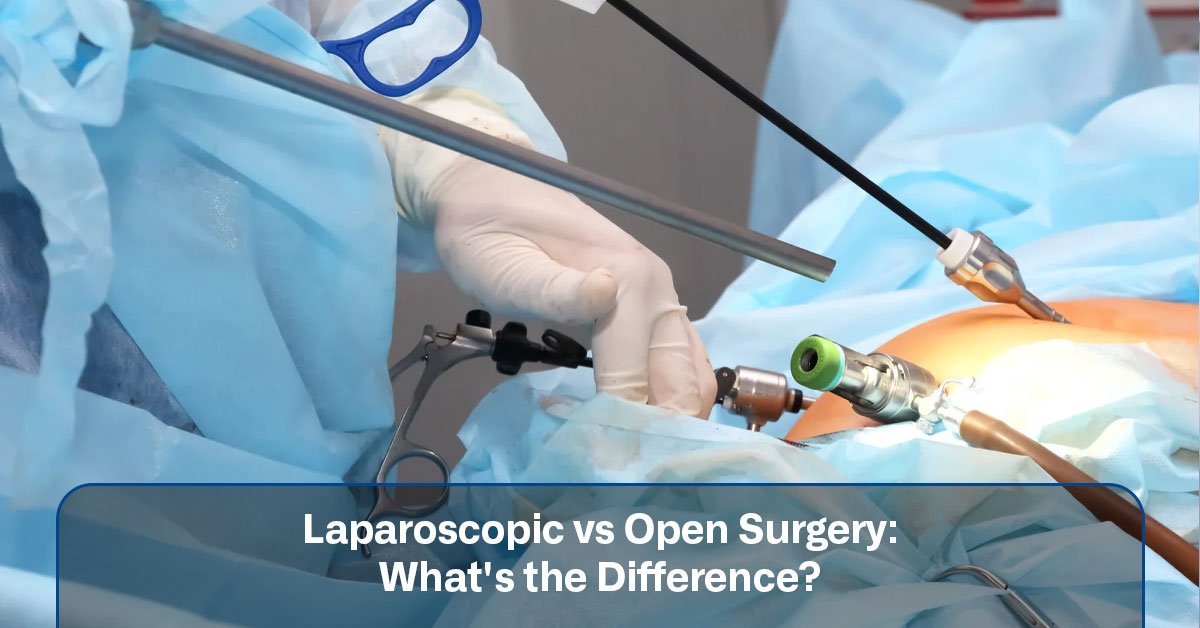
Surgery can be an important part of treating many medical conditions. However, patients often have questions about the type of procedure they may need. Two common approaches are laparoscopic vs open surgery. While both methods can treat similar conditions, they differ in how surgeons access the affected area and how the body recovers afterward.
Laparoscopic surgery is a minimally invasive approach that uses small incisions and specialized instruments. In contrast, open surgery usually requires a larger incision to provide direct access to the surgical area. Therefore, understanding the difference between laparoscopic vs open surgery can help patients have a clearer conversation with their surgeon.
The right option depends on the condition, the patient’s health, the complexity of the procedure, and the surgeon’s assessment. This guide explains the key differences, benefits, risks, recovery expectations, and situations where each approach may be considered.
What Is Laparoscopic Surgery?
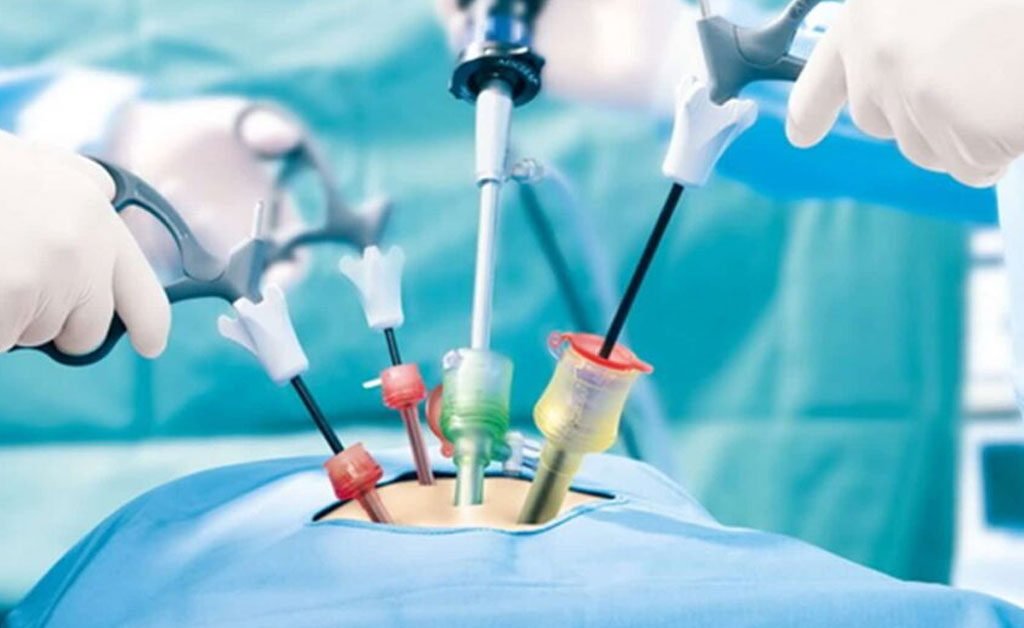
Laparoscopic surgery is a type of minimally invasive surgery. Instead of making one large incision, the surgeon usually makes several small incisions.
A thin instrument called a laparoscope contains a camera. The surgeon inserts it through a small opening to view the inside of the body. Other small surgical instruments can then be inserted through additional openings.
A screen provides a magnified view of the surgical area. As a result, the surgeon can perform the procedure through relatively small incisions.
Common examples of procedures that may be performed laparoscopically include:
- Gallbladder surgery
- Appendix surgery
- Hernia repair
- Some gynecological procedures
- Certain gastrointestinal procedures
- Selected abdominal surgeries
However, not every patient or procedure is suitable for a laparoscopic approach. The surgeon must evaluate the individual situation before recommending it.
What Is Open Surgery?
Open surgery involves making a larger incision to provide direct access to the area being treated. The size and location of the incision depend on the type of operation.
Open surgery has been used successfully for many years and remains an important treatment option. In some complex or emergency situations, it may provide the surgeon with better access and visibility.
For example, a surgeon may recommend open surgery when a condition is particularly complicated, when extensive treatment is required, or when laparoscopic surgery is not considered safe or suitable.
Therefore, laparoscopic vs open surgery is not simply a choice between an old and new technique. Both approaches have specific medical uses.
Laparoscopic vs Open Surgery: Key Differences
The main difference between laparoscopic vs open surgery is the way the surgeon reaches the treatment area.
Laparoscopic procedures generally use small incisions, a camera, and specialized instruments. Open procedures use a larger incision that provides direct access to the surgical area.
Feature | Laparoscopic Surgery | Open Surgery |
Incision size | Usually smaller | Usually larger |
Surgical access | Camera and specialized instruments | Direct access |
Scarring | Often less noticeable | May be more noticeable |
Hospital stay | May be shorter for suitable procedures | May be longer depending on procedure |
Recovery | Often faster for suitable cases | May take longer |
Surgical complexity | Suitable for many planned procedures | Useful for complex or extensive procedures |
Conversion | May sometimes be changed to open surgery | Already performed through open access |
These differences can affect surgery recovery, but individual outcomes vary. The procedure itself, the patient’s health, and complications can all influence recovery time.
What Are the Benefits of Laparoscopic Surgery?
There are several potential laparoscopic surgery benefits. Because the technique usually involves smaller incisions, it may cause less disruption to surrounding tissue than some open procedures.
For suitable patients, this can contribute to a more comfortable recovery. In addition, smaller incisions may result in less visible scarring.
Common laparoscopic surgery benefits may include:
- Smaller surgical incisions
- Less tissue disruption in some procedures
- Reduced postoperative discomfort for some patients
- Smaller scars
- Potentially shorter hospital stays
- Faster return to normal activities in suitable cases
- Lower risk of certain wound-related problems
However, these benefits are not guaranteed for every patient. The actual outcome depends on the type of surgery, the patient’s health, and how the body responds during recovery.
What Are the Benefits of Open Surgery?
Open surgery also has important advantages. The larger incision can give the surgeon direct access to the treatment area. This can be particularly useful during complex operations.
For some conditions, open surgery may be the safest and most effective approach. Moreover, it may allow surgeons to manage situations that cannot be adequately treated through small incisions.
Open surgery may be considered when:
- The procedure is complex.
- A large treatment area needs to be accessed.
- Extensive repair is required.
- There is significant bleeding or another emergency.
- Previous surgery has created difficult internal scarring.
- Laparoscopic access is not considered appropriate.
Therefore, the best approach in laparoscopic vs open surgery depends on the patient’s specific medical situation rather than incision size alone.
Laparoscopic vs Open Surgery Recovery
One of the biggest questions patients have about laparoscopic vs open surgery is recovery time.
In many suitable cases, laparoscopic surgery can support a faster recovery because the incisions are smaller. Patients may experience less discomfort and may return to normal activities sooner.
However, recovery still varies considerably. A simple laparoscopic procedure and a complex laparoscopic operation can have very different recovery periods.
Open surgery generally involves a larger incision. Therefore, the healing process may take longer, particularly when the operation is extensive.
Several factors affect surgery recovery, including:
- Type and complexity of surgery
- Patient’s age and overall health
- Existing medical conditions
- Surgical complications
- Activity level
- Nutrition and hydration
- Following postoperative instructions
- The body’s natural healing process
Your surgeon should provide specific recovery instructions based on your procedure.
Is Laparoscopic Surgery Always Better?
Not necessarily. Although there are many laparoscopic surgery benefits, laparoscopic surgery is not automatically the best option for every patient.
Some conditions require open surgery because the surgeon needs wider access. Similarly, an operation that starts laparoscopically may sometimes need to be converted to open surgery if unexpected complications occur or the surgeon determines that open access is safer.
Therefore, patients should not choose a procedure based only on the size of the incision.
Instead, discuss these questions with your surgeon:
- Which approach is suitable for my condition?
- Why do you recommend this approach?
- What are the expected benefits?
- What are the possible risks?
- How long could recovery take?
- Could the surgery need to be converted to another approach?
- What restrictions will I have after surgery?
A clear discussion can help you understand what to expect.
What Are the Risks of Laparoscopic Surgery?
Like any surgical procedure, laparoscopic surgery has potential risks. The exact risks depend on the procedure and the patient’s health.
Possible complications can include bleeding, infection, injury to nearby organs, reactions to anesthesia, blood clots, or complications related to the specific operation.
Although minimally invasive surgery uses smaller incisions, smaller incisions do not mean that the operation is risk-free.
Patients should follow their surgeon’s instructions carefully before and after surgery. In addition, any unusual symptoms during surgery recovery should be discussed with the healthcare team.
What Are the Risks of Open Surgery?
Open surgery also carries potential risks. Because it generally involves a larger incision, patients may experience more postoperative discomfort or a longer healing period.
Potential risks can include infection, bleeding, blood clots, wound complications, and reactions to anesthesia. The specific risks vary according to the operation.
However, open surgery can be the appropriate choice when it provides better surgical access or allows the surgeon to manage a complicated condition safely.
How Does Minimally Invasive Surgery Work?
Minimally invasive surgery aims to complete a surgical procedure through smaller access points rather than a larger incision.
In laparoscopic procedures, the surgeon typically creates small openings and uses a camera to view the surgical area. Specialized instruments are then used to complete the required procedure.
The approach can reduce the size of the external wound. However, the internal healing process still requires time.
For this reason, patients should not assume they can immediately return to strenuous activities simply because the incisions appear small.
Following postoperative instructions remains an important part of successful surgery recovery.
Which Approach Is Right for You?
The decision between laparoscopic vs open surgery should be made with your surgeon. There is no universal answer because every patient and procedure is different.
Your surgeon may consider the diagnosis, location of the problem, previous operations, overall health, anesthesia risks, and complexity of the procedure.
For a suitable patient, laparoscopic surgery benefits may make minimally invasive treatment attractive. However, when open surgery provides safer or more effective access, it may be the preferred option.
The goal is not simply to choose the smallest incision. The goal is to choose the safest and most effective treatment for the patient’s condition.
How Can You Support Surgery Recovery?
Good preparation and careful postoperative care can support recovery regardless of the surgical approach.
First, follow your surgeon’s instructions about medicines, food, movement, wound care, and follow-up appointments. Next, gradually increase activity according to medical advice rather than pushing yourself too quickly.
You can support surgery recovery by:
- Taking prescribed medicines as directed
- Keeping surgical wounds clean as instructed
- Eating nutritious meals
- Staying hydrated when permitted
- Walking or moving as recommended
- Avoiding heavy lifting until cleared
- Attending follow-up appointments
- Reporting unusual symptoms promptly
Remember that recovery is a process. Even after minimally invasive surgery, your body needs time to heal.
When Should You Contact Your Doctor After Surgery?
Some discomfort after surgery can be expected. However, certain symptoms require prompt medical attention.
Contact your healthcare provider if you experience:
- Severe or increasing pain
- Persistent fever
- Heavy bleeding
- Increasing redness or swelling around the wound
- Pus or unusual discharge
- Difficulty breathing
- Persistent vomiting
- Sudden or severe weakness
Your healthcare team can determine whether these symptoms are part of normal recovery or require further evaluation.
Laparoscopic Surgery at Islamabad Specialist Hospital
If you are considering surgery, discussing your options with an experienced surgical team is important. Islamabad Specialist Hospital provides surgical services, including laparoscopic surgery, for suitable patients.
The hospital also provides general surgery and other specialist services. Your surgical team can assess your condition and explain whether a minimally invasive approach or open procedure may be appropriate.
If you are comparing laparoscopic vs open surgery, ask your surgeon about the expected benefits, risks, recovery, and alternatives for your specific condition.
Conclusion
Understanding laparoscopic vs open surgery can help patients make informed decisions with their healthcare team. Laparoscopic surgery uses smaller incisions and may offer several laparoscopic surgery benefits, including potentially faster recovery and less noticeable scarring for suitable procedures.
However, open surgery remains an important option for complex or extensive conditions. The best choice depends on the patient’s diagnosis, health, and surgical requirements.
Whether your procedure involves minimally invasive surgery or an open approach, following medical advice is essential for a safe surgery recovery.
For surgical consultation and treatment options, contact Islamabad Specialist Hospital and discuss your condition with the specialist surgical team.
FAQs
What is the difference between laparoscopic vs open surgery?
The main difference is surgical access. Laparoscopic surgery uses small incisions, a camera, and specialized instruments, while open surgery generally uses a larger incision for direct access.
Is laparoscopic surgery better than open surgery?
Not always. Laparoscopic surgery benefits may include smaller incisions and potentially faster recovery, but open surgery may be safer or more effective for certain complex conditions.
Is laparoscopic surgery a type of minimally invasive surgery?
Yes. Laparoscopic surgery is a common form of minimally invasive surgery because it generally uses smaller incisions than traditional open procedures.
Does laparoscopic surgery have a faster recovery?
For many suitable procedures, laparoscopic surgery may allow patients to recover and return to normal activities sooner. However, recovery varies depending on the procedure and the patient’s health.
Does open surgery leave a larger scar?
Generally, open surgery requires a larger incision, so the resulting scar may be more noticeable than scars from laparoscopic surgery.
What are the main laparoscopic surgery benefits?
Potential laparoscopic surgery benefits include smaller incisions, less visible scarring, reduced discomfort for some patients, and potentially shorter recovery times.
How long does surgery recovery take?
Surgery recovery depends on the type of operation, surgical approach, overall health, and whether complications occur. Your surgeon can provide a more specific estimate.
Can laparoscopic surgery be changed to open surgery?
Yes. In some cases, a laparoscopic procedure may need to be converted to open surgery if the surgeon determines that doing so is safer or medically necessary.
Is minimally invasive surgery safe?
Minimally invasive surgery is widely used for many procedures, but every surgery has risks. Your surgeon can explain the specific risks and benefits based on your condition.
How do I know which surgery is right for me?
Your surgeon will consider your condition, medical history, previous surgeries, and the complexity of the procedure before recommending the most suitable approach.