

Menu
Islamabad, Pakistan
Appointments: 0305-5552797
Join a Centre of Clinical Excellence with Exclusive OPD Opportunities for Consultant Specialists
Join a Centre of Clinical Excellence with Exclusive OPD Opportunities for Consultant Specialists
Join a Centre of Clinical Excellence with Exclusive OPD Opportunities for Consultant Specialists
Join a Centre of Clinical Excellence with Exclusive OPD Opportunities for Consultant Specialists

Patricia C. Amedee 4401 Waldeck Street
Grapevine Nashville, TX 76051

(001) 88451234
(001) 88455438

Patricia C. Amedee 4401 Waldeck Street
Grapevine Nashville, TX 76051
(001) 88451234
(001) 88455438
Menu
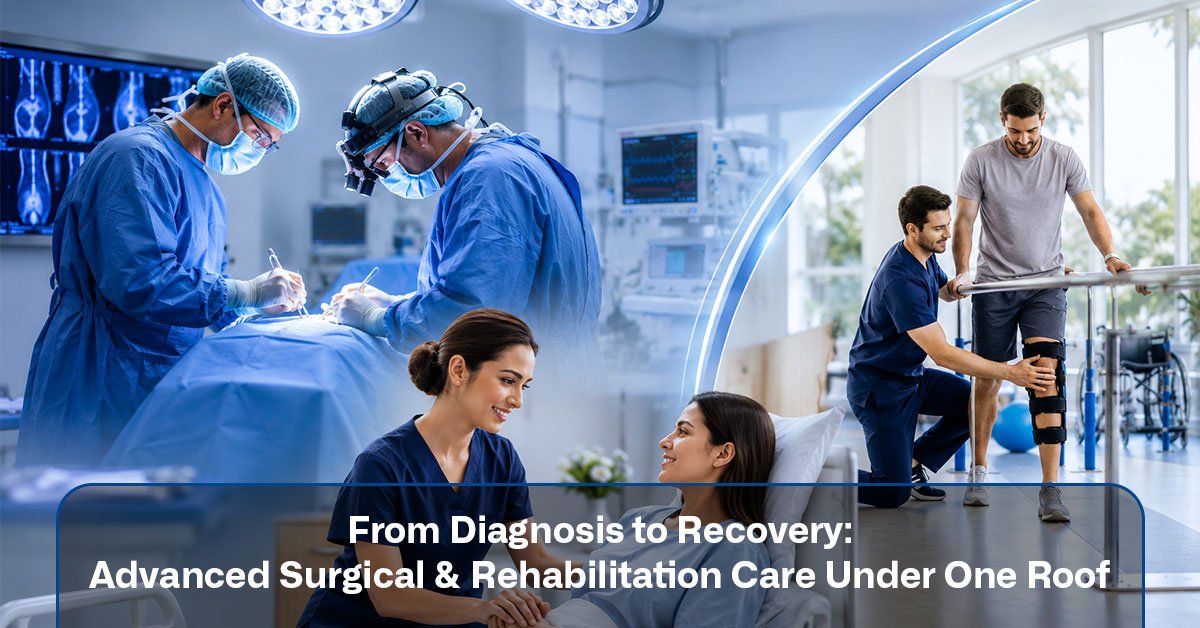
When a health condition requires surgery, patients need more than a procedure. They also need accurate diagnosis, careful planning, experienced surgical care, and proper recovery support. Surgical care services can cover several stages of this journey, from identifying the problem to helping patients return to daily activities.
At Islamabad Specialist Hospital (ISH), services include General Surgery, Laparoscopic Surgery, Robotic Surgery, Orthopaedics, and Physiotherapy & Rehabilitation, creating a broad pathway for patients who need surgical treatment and recovery support. (ishpk.com)
Understanding the Surgical Care Journey
Surgery can sound stressful, especially when patients are unsure about what will happen before and after the procedure. However, understanding the overall process can make the experience easier.
A typical surgical journey may involve several steps:
- Initial consultation
- Diagnostic assessment
- Treatment planning
- Pre-operative preparation
- Surgical procedure
- Recovery and monitoring
- Rehabilitation and follow-up
The exact process depends on the patient’s condition and the type of surgery required.
Therefore, surgical care services should not be viewed as one isolated procedure. Instead, they are part of a complete healthcare journey designed around the patient’s specific needs.
When Is Surgery Recommended?
Not every medical condition requires surgery. In many cases, doctors first consider medication, lifestyle changes, physical therapy, or other non-surgical treatments.
However, Surgical Care Services surgery may become appropriate when a condition cannot be effectively managed through conservative treatment or when an operation offers a better clinical outcome.
The decision may depend on:
- The type and severity of the condition
- The patient’s symptoms
- Diagnostic results
- Previous treatments
- Overall health
- Potential benefits and risks of surgery
Patients should discuss these factors with their surgeon before making a treatment decision.
General Surgery: Treating a Wide Range of Conditions
General Surgery is a broad surgical specialty that covers many procedures involving different parts of the body.
General surgeons may treat conditions affecting areas such as the abdomen, digestive system, soft tissues, and other structures depending on their training and clinical expertise.
Before surgery, the surgeon usually reviews the patient’s symptoms, medical history, examination findings, and diagnostic results. This helps determine whether surgery is appropriate and which procedure may be most suitable.
ISH lists General Surgery among its specialist services and provides surgical care supported by modern operating facilities. (ishpk.com)
Because general Surgical Care Services covers many different conditions, treatment plans are always individualized.
Laparoscopic Surgery: A Minimally Invasive Approach
Laparoscopic Surgery is a minimally invasive surgical technique that uses small incisions and specialized instruments.
Instead of making one large incision, surgeons use a camera and instruments inserted through smaller openings. The camera provides an internal view of the surgical area, allowing the surgeon to perform the required procedure.
Depending on the operation and the patient’s condition, potential advantages may include:
- Smaller incisions
- Less tissue disruption
- Reduced scarring
- Potentially less post-operative discomfort
- Earlier movement in some cases
- Potentially shorter recovery
However, laparoscopic surgery is not appropriate for every patient or every procedure. The surgeon decides whether it is suitable based on the medical condition and individual circumstances.
ISH provides laparoscopic surgical care as part of its advanced surgical services. (ishpk.com)
Robotic Surgery and Modern Surgical Technology
Technology continues to change the way some surgical procedures are performed. Robotic Surgery is one example of advanced surgical technology that can assist surgeons during selected procedures.
Robotic systems do not independently replace the surgeon. Instead, the surgeon controls the system and uses specialized instruments to perform the operation.
Depending on the procedure, robotic technology may provide enhanced instrument movement and visualization. This can be particularly useful for certain complex or minimally invasive operations.
However, robotic surgery is not automatically better for every patient. The most appropriate technique depends on the condition, procedure, surgeon’s assessment, and patient’s health.
ISH lists robotic surgery among its advanced surgical services and describes its surgical infrastructure as supporting complex procedures. (ishpk.com)
Laparoscopic vs. Robotic Surgery
Patients often ask whether laparoscopic or robotic surgery is better. The answer depends on the specific operation.
Both approaches can involve minimally invasive techniques. However, the equipment and surgical methods differ.
Laparoscopic Surgery
Laparoscopic procedures use a camera and specialized instruments inserted through small incisions. The surgeon manually controls the instruments.
Robotic Surgery
In robotic procedures, the surgeon controls robotic instruments from a specialized console. The system can provide enhanced movement and visualization for selected procedures.
Neither approach is universally appropriate.
Therefore, patients should not choose a surgical method based solely on the technology involved. Instead, they should ask their surgeon which approach is safest and most appropriate for their particular condition.
Orthopaedic Services for Bones, Joints, and Movement
Surgery is not limited to internal organs. Orthopaedic care focuses on the musculoskeletal system, including bones, joints, muscles, ligaments, and related structures.
Orthopaedic services may support patients with injuries, joint problems, fractures, degenerative conditions, and other musculoskeletal concerns.
Treatment does not always involve surgery. Depending on the diagnosis, a patient may benefit from medication, physical therapy, rehabilitation, injections, or other non-surgical approaches.
However, some injuries and conditions may require an operation.
ISH includes Orthopaedics among its specialist healthcare services, supporting patients with musculoskeletal conditions. (ishpk.com)
The Importance of Physiotherapy and Rehabilitation
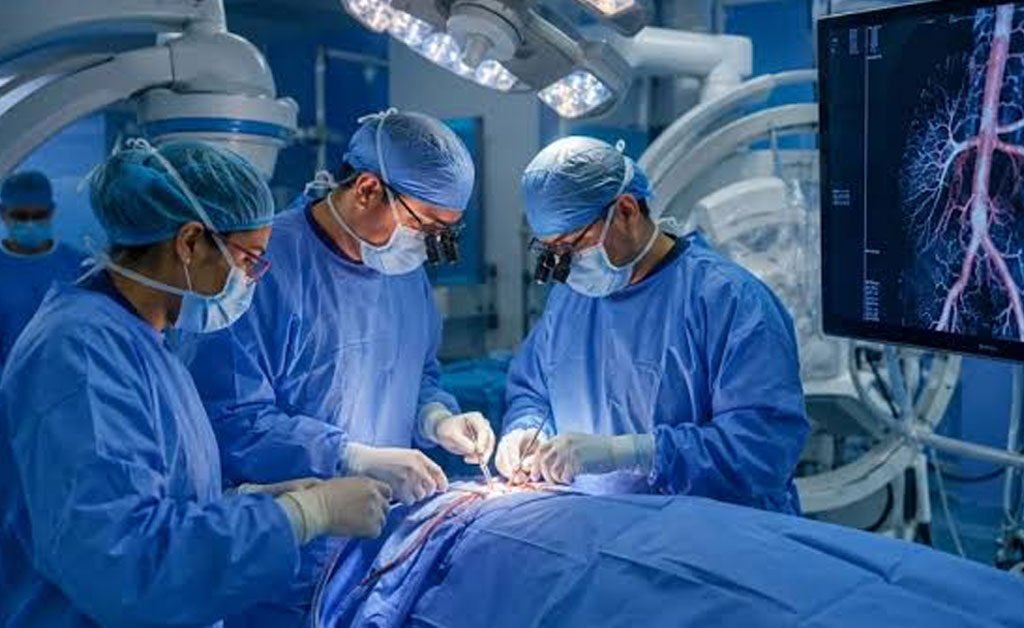
Surgery is only one part of recovery. After an operation or injury, patients may need structured rehabilitation to regain strength, movement, balance, flexibility, and confidence.
Physiotherapy services can play an important role in this process.
A physiotherapist may assess the patient’s movement and create an exercise-based rehabilitation plan according to the patient’s condition.
Rehabilitation may focus on:
- Improving mobility
- Restoring muscle strength
- Increasing flexibility
- Improving balance
- Managing movement limitations
- Supporting a gradual return to daily activities
The specific rehabilitation program depends on the patient’s condition and the type of surgery or injury.
ISH provides Physiotherapy & Rehabilitation as part of its healthcare services, supporting recovery and functional improvement. (ishpk.com)
Why Post-Surgery Rehabilitation Matters
Patients sometimes assume that recovery ends when they leave the operating room. In reality, the recovery process may continue for weeks or months.
The body needs time to heal, and patients may temporarily experience reduced strength, stiffness, pain, or limited movement.
A structured rehabilitation plan can help patients gradually regain function.
For example, someone recovering from orthopaedic surgery may need targeted exercises to improve joint movement and muscle strength. Similarly, another patient may need rehabilitation after a procedure that affected mobility.
Therefore, rehabilitation services should be considered an important part of the overall treatment journey rather than an optional extra.
How Surgery and Rehabilitation Work Together
Effective surgical care services often involve cooperation between surgeons, nurses, physiotherapists, diagnostic specialists, and other healthcare professionals.
Consider a patient with a condition affecting movement.
First, Surgical Care Services the patient may undergo a medical assessment and diagnostic evaluation. Next, the surgeon may determine whether an operation is necessary. After the procedure, the patient may receive a rehabilitation plan to restore movement and strength.
Each stage supports the next.
This coordinated approach can help patients understand what to expect and can make it easier for different healthcare professionals to work toward the same recovery goals.
The Role of Diagnosis Before Surgery
Accurate diagnosis is essential before any major surgical decision.
Doctors may use medical history, physical examination, laboratory testing, imaging, or other diagnostic methods to understand the patient’s condition.
Diagnostic information can help answer important questions:
- What is causing the symptoms?
- How severe is the condition?
- Is surgery necessary?
- Which surgical approach may be appropriate?
- Are there health factors that could affect the procedure?
ISH provides Diagnostics & Imaging services to support diagnosis and treatment planning. (ishpk.com)
As a result, diagnostic services form an important foundation for safe and informed surgical decision-making.
Preparing for Surgery
Once surgery is recommended, preparation becomes the next step.
The surgical team may provide instructions regarding medications, food and drink, medical tests, and other pre-operative requirements.
Patients should tell their healthcare team about:
- Current medications
- Allergies
- Existing medical conditions
- Previous surgeries
- Previous reactions to anesthesia
- Any new symptoms
Following pre-operative instructions carefully can help reduce avoidable complications and ensure the medical team has the information needed to provide appropriate care.
Patients should also ask questions if they do not understand any part of the preparation process.
What to Expect After Surgery
Recovery varies greatly from person to person.
Some patients may recover quickly, while others need more time and structured rehabilitation. The type of procedure, overall health, age, and individual healing process can all affect recovery.
After surgery, patients may receive instructions about:
- Wound care
- Medication
- Physical activity
- Diet
- Follow-up appointments
- Warning signs
- Physiotherapy
Following these instructions can support recovery.
However, patients should contact their healthcare provider if they experience symptoms that are unexpected, severe, or worsening.
Choosing Surgical Treatment in Islamabad
Patients searching for surgical treatment in Islamabad should consider the complete care pathway rather than focusing only on the procedure itself.
Important factors may include:
- Qualified surgical specialists
- Appropriate diagnostic support
- Modern operating facilities
- Anesthesia and perioperative care
- Post-operative monitoring
- Rehabilitation services
- Follow-up care
Islamabad Specialist Hospital provides General Surgery, Laparoscopic Surgery, Robotic Surgery, Orthopaedics, and Physiotherapy & Rehabilitation within its specialist healthcare environment. (ishpk.com)
This range of services can be useful for patients whose treatment requires both surgical intervention and recovery support.
When Should You Consider Orthopaedic Care?
Persistent joint pain, limited movement, recurring injuries, or difficulty performing normal activities may require professional assessment.
Orthopaedic evaluation can help determine whether the problem is related to bones, joints, muscles, ligaments, or another structure.
Treatment may be non-surgical in many cases. However, if surgery becomes necessary, an orthopaedic specialist can explain the available options.
Afterward, physiotherapy may help restore movement and function.
Therefore, orthopaedic care and rehabilitation can work together throughout the patient’s recovery.
Choosing the Right Surgical Approach
Patients may hear terms such as traditional surgery, laparoscopic surgery, and robotic surgery during a consultation. These approaches can sound confusing.
However, the best option is not necessarily the newest technology.
The right approach depends on:
- The condition being treated
- The procedure required
- The patient’s health
- The surgeon’s assessment
- Potential benefits and risks
- Expected recovery
Patients should therefore ask their surgeon why a particular technique is recommended.
An informed discussion can help patients understand the procedure and set realistic expectations for recovery.
Supporting a Successful Recovery
Recovery is a partnership between the patient and healthcare team.
Surgical Care Services Patients can support recovery by following medical instructions, attending follow-up appointments, completing recommended exercises, taking medicines as directed, and reporting concerning symptoms.
In addition, maintaining healthy habits can support overall recovery.
These may include:
- Eating nutritious meals
- Getting adequate sleep
- Avoiding smoking
- Following activity restrictions
- Staying hydrated when appropriate
- Completing prescribed rehabilitation
Most importantly, patients should avoid rushing back into strenuous activity before their healthcare provider says it is safe.
Conclusion
Modern surgery has evolved significantly, giving patients access to different techniques and treatment options. From General Surgery and Laparoscopic Surgery to Robotic Surgery, orthopaedic treatment, and rehabilitation, each service has a specific role in the patient’s healthcare journey.
However, successful treatment is not only about the operation. Accurate diagnosis, careful preparation, skilled surgical care, post-operative monitoring, and Physiotherapy & Rehabilitation can all contribute to a more complete recovery pathway.
If you are looking for surgical treatment in Islamabad, Islamabad Specialist Hospital provides General Surgery, Laparoscopic Surgery, Robotic Surgery, Orthopaedics, and Physiotherapy & Rehabilitation as part of its specialist healthcare services. (ishpk.com)
The right treatment depends on your individual condition. Therefore, consult a qualified healthcare professional to understand your diagnosis, treatment options, and expected recovery.
Contact Us
For expert guidance and comprehensive surgical care services in Islamabad, contact Islamabad Specialist Hospital and discuss your treatment needs with the appropriate specialist team.
FAQs
1. What are surgical care services?
Surgical care services cover the healthcare journey before, during, and after surgery. They may include diagnosis, surgical planning, the procedure itself, post-operative care, and rehabilitation.
2. What is General Surgery?
General Surgery is a broad surgical specialty covering many procedures involving areas such as the abdomen, digestive system, and soft tissues.
3. What is Laparoscopic Surgery?
Laparoscopic Surgery is a minimally invasive technique that uses small incisions, a camera, and specialized surgical instruments.
4. What is Robotic Surgery?
Robotic Surgery is a technology-assisted surgical approach in which a surgeon controls specialized robotic instruments. It may be used for selected procedures.
5. Is robotic surgery better than laparoscopic surgery?
Neither technique is automatically better for every patient. The appropriate approach depends on the condition, procedure, patient’s health, and surgeon’s assessment.
6. What do orthopaedic services treat?
Orthopaedic services focus on conditions involving bones, joints, muscles, ligaments, and other parts of the musculoskeletal system.
7. Why is physiotherapy important after surgery?
Physiotherapy can help patients regain movement, strength, flexibility, balance, and function after surgery or injury.
8. Where can I find surgical treatment in Islamabad?
Islamabad Specialist Hospital offers General Surgery, Laparoscopic Surgery, Robotic Surgery, Orthopaedics, and Physiotherapy & Rehabilitation as part of its specialist healthcare services.