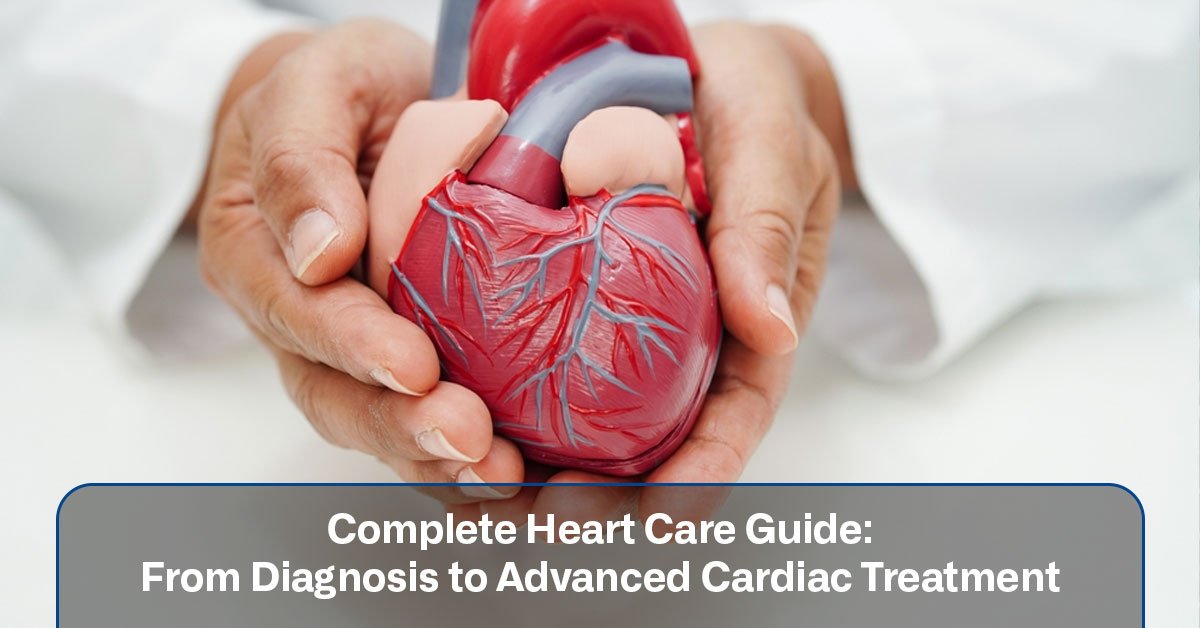


When Should You See a Cardiologist? 10 Warning Signs to Know

Your heart works continuously to keep blood flowing throughout your body. However, heart problems can sometimes develop without obvious symptoms. Therefore, knowing when to visit a cardiologist Islamabad patients can trust is important for early evaluation and better heart health.

A cardiologist Islamabad specialist can assess symptoms, review medical history, perform heart tests, and identify possible cardiovascular problems. In addition, regular evaluation can be valuable for people with high blood pressure, diabetes, high cholesterol, obesity, or a family history of heart disease.

This guide covers 10 warning signs that may indicate you should speak with a heart specialist Islamabad and explains when a professional heart checkup may be appropriate.

What Does a Cardiologist Do?

A cardiologist is a doctor who specializes in the heart and blood vessels. A cardiologist Islamabad can diagnose and manage many cardiovascular conditions, including high blood pressure, coronary artery disease, heart rhythm problems, heart failure, and other heart-related concerns.

If symptoms suggest a cardiovascular problem, a cardiologist may recommend tests to understand how the heart is working. Depending on the situation, these may include an ECG, echocardiogram, exercise testing, or other diagnostic investigations.

A cardiologist may help manage:

  • High blood pressure
  • Coronary artery disease
  • Heart rhythm problems
  • Heart failure
  • Chest pain
  • Heart valve conditions
  • Abnormal cholesterol levels
  • Cardiovascular risk factors
  • Heart-related complications of other diseases

Therefore, visiting a heart doctor Islamabad patients can access is not only important after a heart problem occurs. It can also help identify risks before they become more serious.

10 Warning Signs You Should See a Cardiologist

Not every symptom means you have heart disease. However, persistent, unusual, or worsening symptoms should be evaluated by a healthcare professional.

Here are 10 signs that may justify a consultation with a cardiologist Islamabad.

1. Chest Pain or Pressure

Chest discomfort is one of the most important symptoms to take seriously. It may feel like pressure, tightness, heaviness, squeezing, or discomfort in the chest.

Some chest pain has causes unrelated to the heart. However, heart-related chest discomfort can sometimes indicate reduced blood flow to the heart.

If chest pain is severe, sudden, or accompanied by sweating, nausea, shortness of breath, or pain spreading to the arm, back, neck, or jaw, seek emergency medical care immediately.

For recurring or unexplained chest discomfort, a cardiologist Islamabad can assess your symptoms and determine whether further cardiac testing is needed.

2. Shortness of Breath

Feeling breathless after intense exercise can be normal. However, unexplained or persistent shortness of breath should not be ignored.

Breathlessness may occur when the heart is unable to pump blood efficiently. It can also have lung-related or other medical causes.

A heart specialist Islamabad can evaluate shortness of breath alongside other symptoms and determine whether a heart checkup is appropriate.

If breathing difficulty appears suddenly or becomes severe, seek urgent medical attention rather than waiting for a routine appointment.

3. Irregular or Fast Heartbeat

Your heart normally beats in a regular rhythm. However, some people experience sensations such as racing, fluttering, pounding, or skipped beats.

These sensations are often called palpitations. They may occur because of stress, caffeine, certain medicines, or other causes. Nevertheless, repeated palpitations may sometimes be related to an abnormal heart rhythm.

A cardiologist Islamabad can assess recurring palpitations and may recommend an ECG or other heart rhythm monitoring.

4. Dizziness or Fainting

Dizziness can happen for many reasons, including dehydration, low blood pressure, medication effects, and other conditions. However, unexplained fainting or repeated dizziness may sometimes be associated with heart rhythm or blood-flow problems.

If you have fainted, particularly during physical activity, discuss it with a doctor promptly.

A heart doctor Islamabad can evaluate your symptoms and medical history to determine whether your heart requires further assessment.

5. Unusual Fatigue

Everyone becomes tired from time to time. However, unusual or persistent fatigue may sometimes be linked to cardiovascular problems.

For example, if everyday activities that were previously easy suddenly leave you exhausted, it is worth discussing the change with a healthcare professional.

A cardiologist Islamabad can consider your fatigue alongside symptoms such as breathlessness, chest discomfort, dizziness, or swelling.

Fatigue can have many causes, so a complete medical evaluation is important instead of assuming that the heart is responsible.

6. Swelling in the Legs or Ankles

Swelling in the feet, ankles, or legs can have several causes. In some cases, however, it may occur when the heart is struggling to pump blood effectively.

If swelling is persistent or occurs with breathlessness, tiredness, or rapid weight changes, a medical assessment may be appropriate.

A heart specialist Islamabad can evaluate whether the swelling may be related to a cardiovascular condition or whether another cause should be investigated.

7. High Blood Pressure

High blood pressure often does not cause noticeable symptoms. Even so, uncontrolled hypertension can place additional strain on the heart and blood vessels.

Over time, high blood pressure can increase the risk of cardiovascular disease, stroke, and other complications.

If your blood pressure remains high despite lifestyle changes or prescribed treatment, a cardiologist Islamabad may help assess your cardiovascular risk and recommend appropriate management.

Regular monitoring is also an important part of a preventive heart checkup.

8. High Cholesterol

High cholesterol may not cause symptoms, but it can contribute to the development of plaque inside arteries. This can increase cardiovascular risk over time.

People with high cholesterol, particularly those with other risk factors, may benefit from discussing their results with a healthcare professional.

A cardiologist Islamabad can assess cholesterol levels alongside blood pressure, diabetes, family history, age, lifestyle, and other factors.

The goal is not simply to treat a laboratory number. Instead, doctors consider the patient’s overall cardiovascular risk.

9. Reduced Exercise Tolerance

Have you noticed that you cannot exercise or walk as far as you could previously?

A sudden or unexplained reduction in exercise tolerance can sometimes indicate a cardiovascular problem. For example, you may become unusually breathless, tired, or uncomfortable during activities that previously felt manageable.

A heart doctor Islamabad can assess these changes and may recommend an exercise-based heart test when appropriate.

Early evaluation can help identify whether the change is related to the heart, lungs, fitness level, anemia, or another condition.

10. A Family History of Heart Disease

You do not need to have symptoms to consider seeing a cardiologist Islamabad. Family history can also be an important reason to discuss your cardiovascular health with a specialist.

If close family members have experienced heart disease, heart attacks, or certain inherited heart conditions, your personal risk may be higher.

A heart specialist Islamabad can review your family history and other risk factors and suggest appropriate screening or preventive measures.

When Is a Heart Checkup Important?
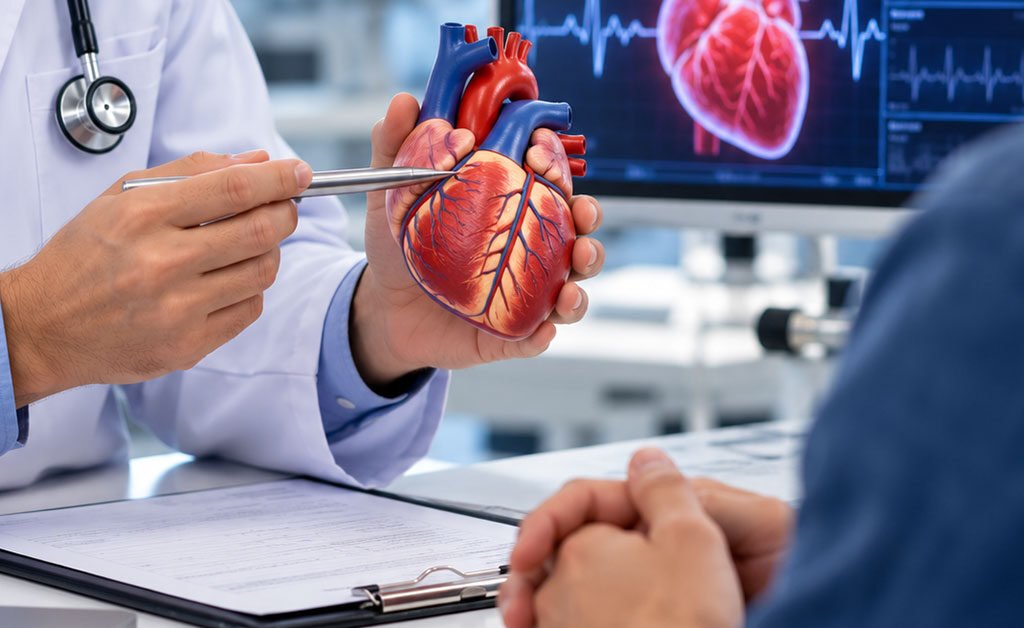
A heart checkup can help identify cardiovascular risk factors and investigate symptoms. The exact tests required depend on your age, medical history, symptoms, and risk profile.

A heart checkup may be useful if you have:

  • High blood pressure
  • Diabetes
  • High cholesterol
  • A family history of heart disease
  • Smoking history
  • Obesity
  • Previous heart-related symptoms
  • Reduced exercise tolerance
  • Repeated palpitations
  • Abnormal heart test results

A cardiologist Islamabad can determine which tests are appropriate rather than recommending the same testing for everyone.

What Happens During a Cardiology Consultation?

During a consultation, a cardiologist Islamabad will usually begin by asking about your symptoms, medical history, lifestyle, medicines, and family history.

The doctor may also check your blood pressure, heart rate, and other basic health measurements. Depending on your symptoms, additional tests may be recommended.

Common cardiac investigations can include:

  • Electrocardiogram (ECG)
  • Echocardiogram
  • Exercise Tolerance Test
  • Blood tests
  • Heart rhythm monitoring
  • Other cardiac imaging when required

At Islamabad Specialist Hospital, cardiac services include cardiology, echocardiography, electrophysiology, exercise tolerance testing, and coronary care services.

Who Should See a Cardiologist?

Anyone with concerning heart symptoms should discuss them with a healthcare professional. However, some people may benefit from cardiovascular evaluation even when they feel well.

A heart specialist Islamabad may be appropriate for people who have multiple cardiovascular risk factors or a known heart condition.

You should consider discussing cardiology care if you have:

  • Persistent or unexplained chest discomfort
  • Repeated palpitations
  • Unexplained fainting
  • Persistent shortness of breath
  • Difficult-to-control blood pressure
  • Known cardiovascular disease
  • A strong family history of heart disease

Your primary doctor may also refer you to a cardiologist Islamabad if routine tests show something that needs specialist evaluation.

Why Early Cardiology Care Matters

Heart disease can sometimes progress gradually. Therefore, early evaluation may provide an opportunity to identify risk factors and manage them before complications develop.

A cardiologist Islamabad can help assess your cardiovascular health based on your symptoms and individual risk factors. Moreover, regular follow-up can help monitor existing conditions.

However, prevention does not mean waiting for symptoms. Maintaining a healthy lifestyle, managing blood pressure and cholesterol, staying physically active, avoiding smoking, and following medical advice can all support heart health.

How Can You Protect Your Heart?

Good cardiovascular health involves several everyday habits. While lifestyle changes cannot eliminate every risk, they can support overall heart health.

Consider:

  • Eating a balanced diet
  • Staying physically active
  • Maintaining a healthy weight
  • Managing blood pressure
  • Monitoring cholesterol
  • Controlling blood sugar
  • Avoiding smoking
  • Limiting unhealthy habits
  • Taking prescribed medicines correctly
  • Attending recommended medical checkups

If you already have a cardiovascular condition, follow the advice provided by your heart doctor Islamabad rather than making major treatment changes yourself.

When Is Chest Pain an Emergency?

Chest pain should always be taken seriously when it is sudden, severe, persistent, or associated with other warning signs.

Seek emergency medical care if chest discomfort occurs with symptoms such as:

  • Severe shortness of breath
  • Fainting
  • Cold sweating
  • Severe weakness
  • Nausea or vomiting
  • Pain spreading to the arm, jaw, neck, or back

Do not wait for a routine appointment with a cardiologist Islamabad if you believe you may be experiencing a medical emergency.

Cardiology Care at Islamabad Specialist Hospital

If you are looking for a cardiology hospital Islamabad patients can access for specialist evaluation, Islamabad Specialist Hospital provides dedicated cardiac services.

The hospital offers cardiology and related diagnostic services, including echocardiography, electrophysiology, and Exercise Tolerance Testing. Patients can discuss symptoms and cardiovascular concerns with the healthcare team and receive guidance about appropriate evaluation.

A cardiologist Islamabad can assess your individual situation and determine whether further testing, treatment, or follow-up is needed.

Conclusion

Knowing the warning signs of heart problems can help you seek medical attention at the right time. Chest discomfort, shortness of breath, irregular heartbeat, dizziness, unusual fatigue, swelling, high blood pressure, high cholesterol, reduced exercise tolerance, and family history can all be reasons to discuss your cardiovascular health with a specialist.

A cardiologist Islamabad can evaluate your symptoms, identify cardiovascular risks, and recommend appropriate testing or treatment. Likewise, a heart specialist Islamabad can help you understand your heart health and plan suitable follow-up care.

If you have concerning symptoms or need a professional heart checkup, contact Islamabad Specialist Hospital for cardiology consultation and cardiac care.

FAQs

When should I see a cardiologist?

You should consider seeing a cardiologist for persistent chest discomfort, shortness of breath, repeated palpitations, unexplained fainting, difficult-to-control blood pressure, or other concerning cardiovascular symptoms.

What does a cardiologist treat?

A cardiologist diagnoses and manages many cardiovascular conditions, including high blood pressure, coronary artery disease, heart rhythm problems, heart failure, and other heart-related conditions.

Do I need a heart checkup if I have no symptoms?

Some people may benefit from a heart checkup because of risk factors such as diabetes, high blood pressure, high cholesterol, smoking, obesity, or a strong family history of heart disease.

Is shortness of breath always related to the heart?

No. Shortness of breath can have many causes. However, unexplained or persistent breathlessness should be medically evaluated.

Can high blood pressure affect the heart?

Yes. Long-term uncontrolled high blood pressure can put additional strain on the heart and increase cardiovascular risk.

What tests can a cardiologist recommend?

Depending on your symptoms, a cardiologist may recommend an ECG, echocardiogram, Exercise Tolerance Test, blood tests, rhythm monitoring, or other investigations.

Where can I find a cardiologist Islamabad patients can consult?

Patients looking for a cardiologist Islamabad can consult the cardiology team at Islamabad Specialist Hospital for evaluation and appropriate cardiac care.

What is the difference between a cardiologist and a heart doctor?

A cardiologist is a medical specialist who diagnoses and manages diseases of the heart and blood vessels. Heart doctor Islamabad is a general term commonly used when searching for a cardiologist.

When should chest pain be treated as an emergency?

Sudden or severe chest pain, especially with shortness of breath, sweating, fainting, nausea, or pain spreading to the arm, jaw, neck, or back, requires urgent medical attention.

How often should I have a heart checkup?

There is no single schedule for everyone. The appropriate frequency depends on your age, health history, symptoms, risk factors, and your doctor’s recommendations.
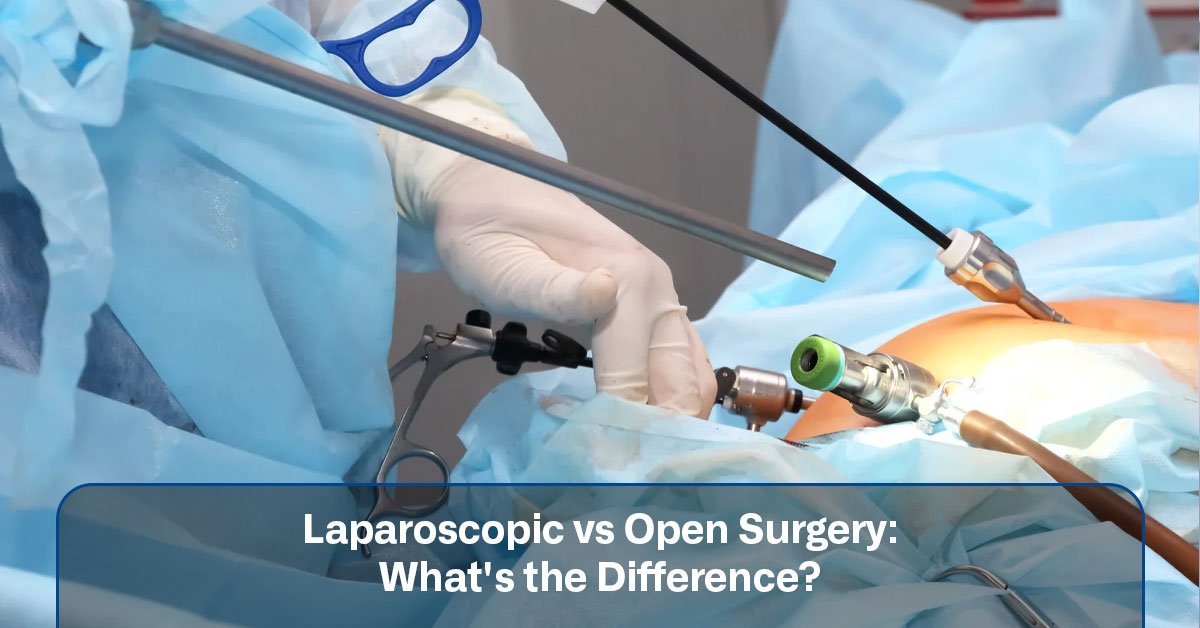
Laparoscopic vs Open Surgery: What’s the Difference?

Surgery can be an important part of treating many medical conditions. However, patients often have questions about the type of procedure they may need. Two common approaches are laparoscopic vs open surgery. While both methods can treat similar conditions, they differ in how surgeons access the affected area and how the body recovers afterward.

Laparoscopic surgery is a minimally invasive approach that uses small incisions and specialized instruments. In contrast, open surgery usually requires a larger incision to provide direct access to the surgical area. Therefore, understanding the difference between laparoscopic vs open surgery can help patients have a clearer conversation with their surgeon.

The right option depends on the condition, the patient’s health, the complexity of the procedure, and the surgeon’s assessment. This guide explains the key differences, benefits, risks, recovery expectations, and situations where each approach may be considered.

What Is Laparoscopic Surgery?

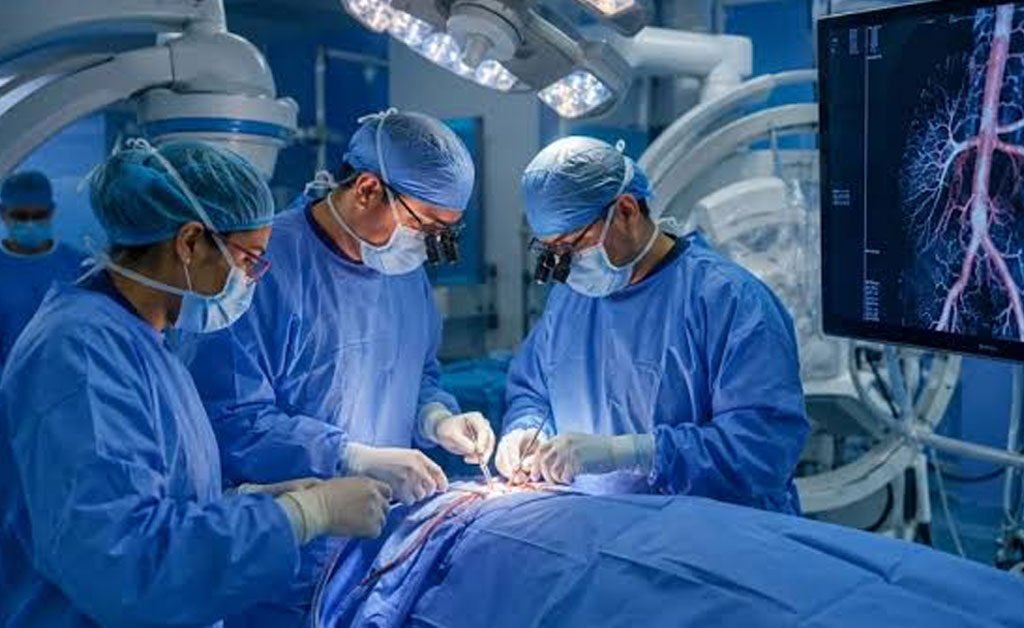
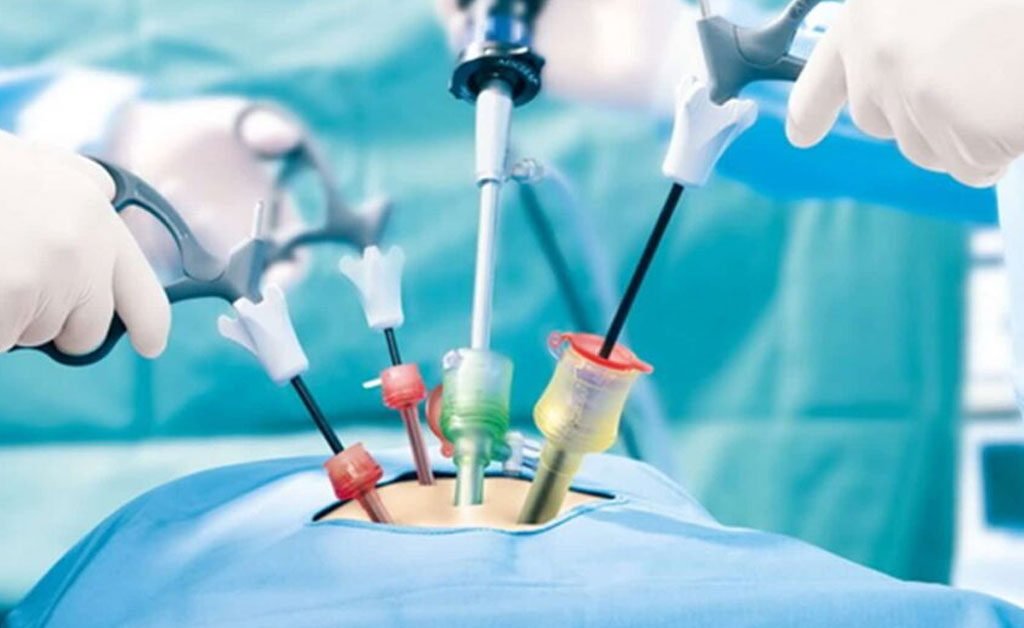
Laparoscopic surgery is a type of minimally invasive surgery. Instead of making one large incision, the surgeon usually makes several small incisions.

A thin instrument called a laparoscope contains a camera. The surgeon inserts it through a small opening to view the inside of the body. Other small surgical instruments can then be inserted through additional openings.

A screen provides a magnified view of the surgical area. As a result, the surgeon can perform the procedure through relatively small incisions.

Common examples of procedures that may be performed laparoscopically include:

  • Gallbladder surgery
  • Appendix surgery
  • Hernia repair
  • Some gynecological procedures
  • Certain gastrointestinal procedures
  • Selected abdominal surgeries

However, not every patient or procedure is suitable for a laparoscopic approach. The surgeon must evaluate the individual situation before recommending it.

What Is Open Surgery?

Open surgery involves making a larger incision to provide direct access to the area being treated. The size and location of the incision depend on the type of operation.

Open surgery has been used successfully for many years and remains an important treatment option. In some complex or emergency situations, it may provide the surgeon with better access and visibility.

For example, a surgeon may recommend open surgery when a condition is particularly complicated, when extensive treatment is required, or when laparoscopic surgery is not considered safe or suitable.

Therefore, laparoscopic vs open surgery is not simply a choice between an old and new technique. Both approaches have specific medical uses.

Laparoscopic vs Open Surgery: Key Differences

The main difference between laparoscopic vs open surgery is the way the surgeon reaches the treatment area.

Laparoscopic procedures generally use small incisions, a camera, and specialized instruments. Open procedures use a larger incision that provides direct access to the surgical area.

Feature

Laparoscopic Surgery

Open Surgery

Incision size

Usually smaller

Usually larger

Surgical access

Camera and specialized instruments

Direct access

Scarring

Often less noticeable

May be more noticeable

Hospital stay

May be shorter for suitable procedures

May be longer depending on procedure

Recovery

Often faster for suitable cases

May take longer

Surgical complexity

Suitable for many planned procedures

Useful for complex or extensive procedures

Conversion

May sometimes be changed to open surgery

Already performed through open access

These differences can affect surgery recovery, but individual outcomes vary. The procedure itself, the patient’s health, and complications can all influence recovery time.

What Are the Benefits of Laparoscopic Surgery?

There are several potential laparoscopic surgery benefits. Because the technique usually involves smaller incisions, it may cause less disruption to surrounding tissue than some open procedures.

For suitable patients, this can contribute to a more comfortable recovery. In addition, smaller incisions may result in less visible scarring.

Common laparoscopic surgery benefits may include:

  • Smaller surgical incisions
  • Less tissue disruption in some procedures
  • Reduced postoperative discomfort for some patients
  • Smaller scars
  • Potentially shorter hospital stays
  • Faster return to normal activities in suitable cases
  • Lower risk of certain wound-related problems

However, these benefits are not guaranteed for every patient. The actual outcome depends on the type of surgery, the patient’s health, and how the body responds during recovery.

What Are the Benefits of Open Surgery?

Open surgery also has important advantages. The larger incision can give the surgeon direct access to the treatment area. This can be particularly useful during complex operations.

For some conditions, open surgery may be the safest and most effective approach. Moreover, it may allow surgeons to manage situations that cannot be adequately treated through small incisions.

Open surgery may be considered when:

  • The procedure is complex.
  • A large treatment area needs to be accessed.
  • Extensive repair is required.
  • There is significant bleeding or another emergency.
  • Previous surgery has created difficult internal scarring.
  • Laparoscopic access is not considered appropriate.

Therefore, the best approach in laparoscopic vs open surgery depends on the patient’s specific medical situation rather than incision size alone.

Laparoscopic vs Open Surgery Recovery

One of the biggest questions patients have about laparoscopic vs open surgery is recovery time.

In many suitable cases, laparoscopic surgery can support a faster recovery because the incisions are smaller. Patients may experience less discomfort and may return to normal activities sooner.

However, recovery still varies considerably. A simple laparoscopic procedure and a complex laparoscopic operation can have very different recovery periods.

Open surgery generally involves a larger incision. Therefore, the healing process may take longer, particularly when the operation is extensive.

Several factors affect surgery recovery, including:

  • Type and complexity of surgery
  • Patient’s age and overall health
  • Existing medical conditions
  • Surgical complications
  • Activity level
  • Nutrition and hydration
  • Following postoperative instructions
  • The body’s natural healing process

Your surgeon should provide specific recovery instructions based on your procedure.

Is Laparoscopic Surgery Always Better?

Not necessarily. Although there are many laparoscopic surgery benefits, laparoscopic surgery is not automatically the best option for every patient.

Some conditions require open surgery because the surgeon needs wider access. Similarly, an operation that starts laparoscopically may sometimes need to be converted to open surgery if unexpected complications occur or the surgeon determines that open access is safer.

Therefore, patients should not choose a procedure based only on the size of the incision.

Instead, discuss these questions with your surgeon:

  • Which approach is suitable for my condition?
  • Why do you recommend this approach?
  • What are the expected benefits?
  • What are the possible risks?
  • How long could recovery take?
  • Could the surgery need to be converted to another approach?
  • What restrictions will I have after surgery?

A clear discussion can help you understand what to expect.

What Are the Risks of Laparoscopic Surgery?

Like any surgical procedure, laparoscopic surgery has potential risks. The exact risks depend on the procedure and the patient’s health.

Possible complications can include bleeding, infection, injury to nearby organs, reactions to anesthesia, blood clots, or complications related to the specific operation.

Although minimally invasive surgery uses smaller incisions, smaller incisions do not mean that the operation is risk-free.

Patients should follow their surgeon’s instructions carefully before and after surgery. In addition, any unusual symptoms during surgery recovery should be discussed with the healthcare team.

What Are the Risks of Open Surgery?

Open surgery also carries potential risks. Because it generally involves a larger incision, patients may experience more postoperative discomfort or a longer healing period.

Potential risks can include infection, bleeding, blood clots, wound complications, and reactions to anesthesia. The specific risks vary according to the operation.

However, open surgery can be the appropriate choice when it provides better surgical access or allows the surgeon to manage a complicated condition safely.

How Does Minimally Invasive Surgery Work?

Minimally invasive surgery aims to complete a surgical procedure through smaller access points rather than a larger incision.

In laparoscopic procedures, the surgeon typically creates small openings and uses a camera to view the surgical area. Specialized instruments are then used to complete the required procedure.

The approach can reduce the size of the external wound. However, the internal healing process still requires time.

For this reason, patients should not assume they can immediately return to strenuous activities simply because the incisions appear small.

Following postoperative instructions remains an important part of successful surgery recovery.

Which Approach Is Right for You?

The decision between laparoscopic vs open surgery should be made with your surgeon. There is no universal answer because every patient and procedure is different.

Your surgeon may consider the diagnosis, location of the problem, previous operations, overall health, anesthesia risks, and complexity of the procedure.

For a suitable patient, laparoscopic surgery benefits may make minimally invasive treatment attractive. However, when open surgery provides safer or more effective access, it may be the preferred option.

The goal is not simply to choose the smallest incision. The goal is to choose the safest and most effective treatment for the patient’s condition.

How Can You Support Surgery Recovery?

Good preparation and careful postoperative care can support recovery regardless of the surgical approach.

First, follow your surgeon’s instructions about medicines, food, movement, wound care, and follow-up appointments. Next, gradually increase activity according to medical advice rather than pushing yourself too quickly.

You can support surgery recovery by:

  • Taking prescribed medicines as directed
  • Keeping surgical wounds clean as instructed
  • Eating nutritious meals
  • Staying hydrated when permitted
  • Walking or moving as recommended
  • Avoiding heavy lifting until cleared
  • Attending follow-up appointments
  • Reporting unusual symptoms promptly

Remember that recovery is a process. Even after minimally invasive surgery, your body needs time to heal.

When Should You Contact Your Doctor After Surgery?

Some discomfort after surgery can be expected. However, certain symptoms require prompt medical attention.

Contact your healthcare provider if you experience:

  • Severe or increasing pain
  • Persistent fever
  • Heavy bleeding
  • Increasing redness or swelling around the wound
  • Pus or unusual discharge
  • Difficulty breathing
  • Persistent vomiting
  • Sudden or severe weakness

Your healthcare team can determine whether these symptoms are part of normal recovery or require further evaluation.

Laparoscopic Surgery at Islamabad Specialist Hospital

If you are considering surgery, discussing your options with an experienced surgical team is important. Islamabad Specialist Hospital provides surgical services, including laparoscopic surgery, for suitable patients.

The hospital also provides general surgery and other specialist services. Your surgical team can assess your condition and explain whether a minimally invasive approach or open procedure may be appropriate.

If you are comparing laparoscopic vs open surgery, ask your surgeon about the expected benefits, risks, recovery, and alternatives for your specific condition.

Conclusion

Understanding laparoscopic vs open surgery can help patients make informed decisions with their healthcare team. Laparoscopic surgery uses smaller incisions and may offer several laparoscopic surgery benefits, including potentially faster recovery and less noticeable scarring for suitable procedures.

However, open surgery remains an important option for complex or extensive conditions. The best choice depends on the patient’s diagnosis, health, and surgical requirements.

Whether your procedure involves minimally invasive surgery or an open approach, following medical advice is essential for a safe surgery recovery.

For surgical consultation and treatment options, contact Islamabad Specialist Hospital and discuss your condition with the specialist surgical team.

FAQs

What is the difference between laparoscopic vs open surgery?

The main difference is surgical access. Laparoscopic surgery uses small incisions, a camera, and specialized instruments, while open surgery generally uses a larger incision for direct access.

Is laparoscopic surgery better than open surgery?

Not always. Laparoscopic surgery benefits may include smaller incisions and potentially faster recovery, but open surgery may be safer or more effective for certain complex conditions.

Is laparoscopic surgery a type of minimally invasive surgery?

Yes. Laparoscopic surgery is a common form of minimally invasive surgery because it generally uses smaller incisions than traditional open procedures.

Does laparoscopic surgery have a faster recovery?

For many suitable procedures, laparoscopic surgery may allow patients to recover and return to normal activities sooner. However, recovery varies depending on the procedure and the patient’s health.

Does open surgery leave a larger scar?

Generally, open surgery requires a larger incision, so the resulting scar may be more noticeable than scars from laparoscopic surgery.

What are the main laparoscopic surgery benefits?

Potential laparoscopic surgery benefits include smaller incisions, less visible scarring, reduced discomfort for some patients, and potentially shorter recovery times.

How long does surgery recovery take?

Surgery recovery depends on the type of operation, surgical approach, overall health, and whether complications occur. Your surgeon can provide a more specific estimate.

Can laparoscopic surgery be changed to open surgery?

Yes. In some cases, a laparoscopic procedure may need to be converted to open surgery if the surgeon determines that doing so is safer or medically necessary.

Is minimally invasive surgery safe?

Minimally invasive surgery is widely used for many procedures, but every surgery has risks. Your surgeon can explain the specific risks and benefits based on your condition.

How do I know which surgery is right for me?

Your surgeon will consider your condition, medical history, previous surgeries, and the complexity of the procedure before recommending the most suitable approach.

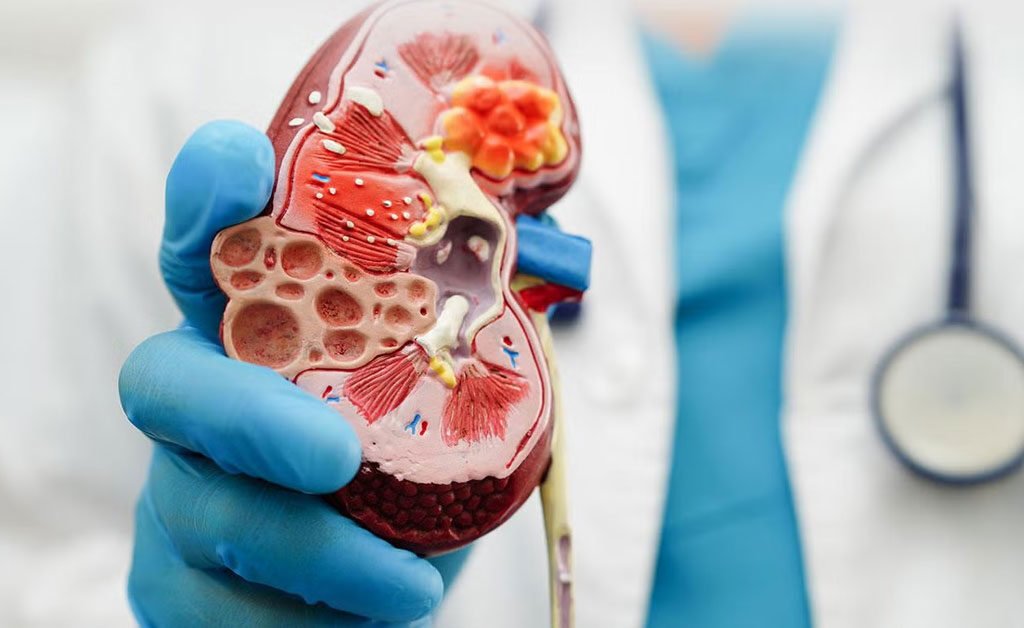
When Should You See a Nephrologist? Common Signs of Kidney Problems

Your kidneys perform important jobs every day. They remove waste from the blood, balance fluids, help control blood pressure, and support several essential body functions. However, kidney problems can develop slowly. In many cases, a person may not notice clear symptoms until kidney function has already changed.

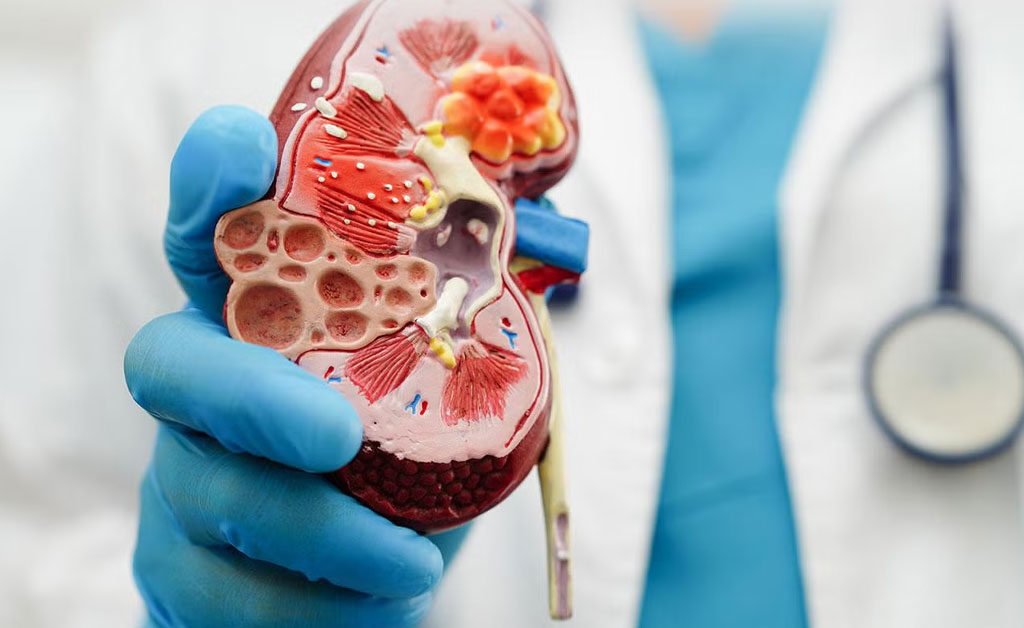
Knowing when to visit a kidney specialist Islamabad patients can trust can make an important difference. Early evaluation can help identify kidney problems, understand their cause, and start suitable care. A kidney specialist Islamabad can also monitor kidney function when a person has conditions such as diabetes or high blood pressure.

If you are experiencing changes in urination, swelling, unusual tiredness, or repeated abnormal kidney test results, it may be time to consult a kidney specialist Islamabad.

What Is a Kidney Specialist?

A kidney specialist, also known as a nephrologist, is a doctor who focuses on medical conditions affecting the kidneys. A kidney specialist Islamabad can diagnose, monitor, and manage different kidney conditions based on symptoms, medical history, blood tests, urine tests, and other investigations.

Unlike general medical care, nephrology focuses specifically on kidney function and diseases that may affect the kidneys. Therefore, a kidney specialist Islamabad can provide more detailed assessment when kidney function becomes abnormal or a patient has a higher risk of kidney disease.

A nephrologist may manage:

  • Chronic kidney disease
  • Acute kidney injury
  • High blood pressure linked to kidney problems
  • Protein in the urine
  • Blood in the urine
  • Electrolyte problems
  • Reduced kidney function
  • Kidney failure
  • Dialysis related care
  • Kidney transplant related medical care

A kidney specialist Islamabad may also work with cardiologists, endocrinologists, surgeons, and other healthcare professionals when kidney disease is connected to another condition.

Why Should You See a Kidney Specialist Islamabad?

Many kidney problems do not cause strong symptoms in their early stages. Therefore, waiting until symptoms become severe is not always the best approach.

A kidney specialist Islamabad can evaluate early warning signs and determine whether your kidneys are functioning normally. In addition, specialist care can help identify changes that may require regular monitoring.

You should consider visiting a kidney specialist Islamabad if you have persistent urinary changes, swelling, unexplained fatigue, uncontrolled blood pressure, or abnormal kidney function tests.

Early specialist evaluation can be particularly useful for people who already have nephrologist Islamabad, diabetes, hypertension, heart disease, or a family history of kidney problems.

Common Signs You May Need a Kidney Specialist Islamabad

Kidney symptoms can vary from person to person. Some people have mild changes, while others may develop several symptoms at the same time.

The following signs do not always mean you have kidney disease. However, persistent symptoms should be discussed with a doctor or kidney specialist Islamabad.

1. Changes in Urination

Changes in urination are one of the most common reasons people seek kidney care. You may notice that you are urinating more frequently or less frequently than usual.

Some people may also notice foamy urine, dark urine, cloudy urine, or blood in the urine. These changes can have different causes, so proper testing is important.

A kidney specialist Islamabad can recommend urine tests to check for protein, blood, infection, or other abnormalities. As a result, testing can help determine whether the kidneys may be involved.

2. Swelling in the Feet or Face

Healthy kidneys help remove extra fluid from the body. When kidney function is affected, fluid can sometimes build up and cause swelling.

Swelling may appear in the feet, ankles, legs, hands, or around the eyes. If swelling continues without an obvious reason, a kidney specialist Islamabad can assess whether kidney function may be contributing to the problem.

However, swelling can also be linked to heart, liver, circulation, or medication related problems. Therefore, a medical evaluation is important instead of assuming the cause.

3. Unexplained Tiredness

Everyone feels tired occasionally. Persistent fatigue, however, can sometimes be associated with reduced kidney function.

When the kidneys cannot remove waste effectively, waste products can accumulate in the blood. Kidney disease can also be associated with anemia, which may contribute to weakness and tiredness.

If ongoing fatigue occurs together with swelling, urinary changes, or abnormal test results, visiting a kidney specialist Islamabad can help identify the possible cause.

4. High Blood Pressure

High blood pressure is closely connected with kidney health. Long term uncontrolled blood pressure can damage the blood vessels inside the kidneys. At the same time, kidney disease can make blood pressure more difficult to control.

Therefore, people with persistent or difficult to manage hypertension may benefit from a kidney assessment.

A kidney specialist Islamabad can evaluate kidney function and determine whether kidney disease may be contributing to blood pressure problems.

5. Blood or Protein in the Urine

Blood or protein in the urine should not be ignored when it continues or appears without a clear explanation.

Protein in the urine can sometimes indicate that the kidney filters are not working normally. Similarly, repeated blood in the urine may require further investigation.

A kidney specialist Islamabad can review the test results and determine whether additional testing is needed.

6. Nausea or Reduced Appetite

In more advanced kidney problems, waste products can build up in the bloodstream. This may contribute to nausea, reduced appetite, an unpleasant taste, or general discomfort.

These symptoms are not specific to kidney disease. Nevertheless, if they appear alongside swelling, urinary changes, fatigue, or abnormal kidney tests, speak with a doctor or kidney specialist Islamabad for proper evaluation.

Who Is at Higher Risk of Kidney Disease?

Kidney disease can affect anyone. However, some people have a higher risk because of existing health conditions or family history.

Diabetes and high blood pressure are major risk factors. Furthermore, cardiovascular disease, obesity, older age, smoking, and a family history of kidney disease can increase risk.

If you have one or more risk factors, regular medical checkups can help detect changes earlier. A kidney specialist Islamabad can also advise you about appropriate monitoring based on your individual health needs.

Important risk factors include:

  • Diabetes
  • High blood pressure
  • Family history of kidney disease
  • Heart disease
  • Obesity
  • Previous kidney problems
  • Older age
  • Repeated kidney injuries
  • Certain long term medicines

When Should You See a Nephrologist?

You do not always need to wait for severe symptoms before seeing a kidney specialist Islamabad. Your doctor may recommend nephrology care when blood or urine tests show an abnormality.

You should consider specialist evaluation if:

  • Your kidney function tests remain abnormal.
  • You repeatedly have protein in your urine.
  • Blood is repeatedly found in your urine.
  • Your blood pressure remains high despite treatment.
  • You have unexplained or persistent swelling.
  • Your kidney function is declining.
  • You have experienced acute kidney injury.
  • You have diabetes with kidney related concerns.
  • You have a known kidney condition.

A kidney specialist Islamabad can review your medical history and determine whether you need further testing, treatment, or regular monitoring.

What Tests Can a Kidney Specialist Islamabad Recommend?

A kidney specialist Islamabad may use several tests to understand how well your kidneys are working. The exact tests depend on your symptoms, medical history, age, and existing health conditions.

Blood tests can help assess kidney function and electrolyte levels. Urine testing can identify protein, blood, or other abnormalities. Blood pressure measurement is also important because hypertension and kidney disease are strongly connected.

Depending on your situation, your kidney specialist Islamabad may recommend:

  • Kidney function blood tests
  • Urinalysis
  • Urine protein testing
  • Blood pressure monitoring
  • Electrolyte testing
  • Kidney ultrasound
  • Other imaging studies
  • Additional specialist investigations

These tests help the kidney specialist Islamabad understand whether kidney damage is present and how severe it may be.

How Is Kidney Disease Treated?

Kidney disease treatment depends on the cause and severity of the condition. There is no single treatment suitable for every patient.

For early kidney disease, kidney disease treatment may focus on controlling the underlying cause and protecting kidney function. This can include managing blood pressure, controlling blood sugar, reviewing medicines, and making suitable lifestyle changes.

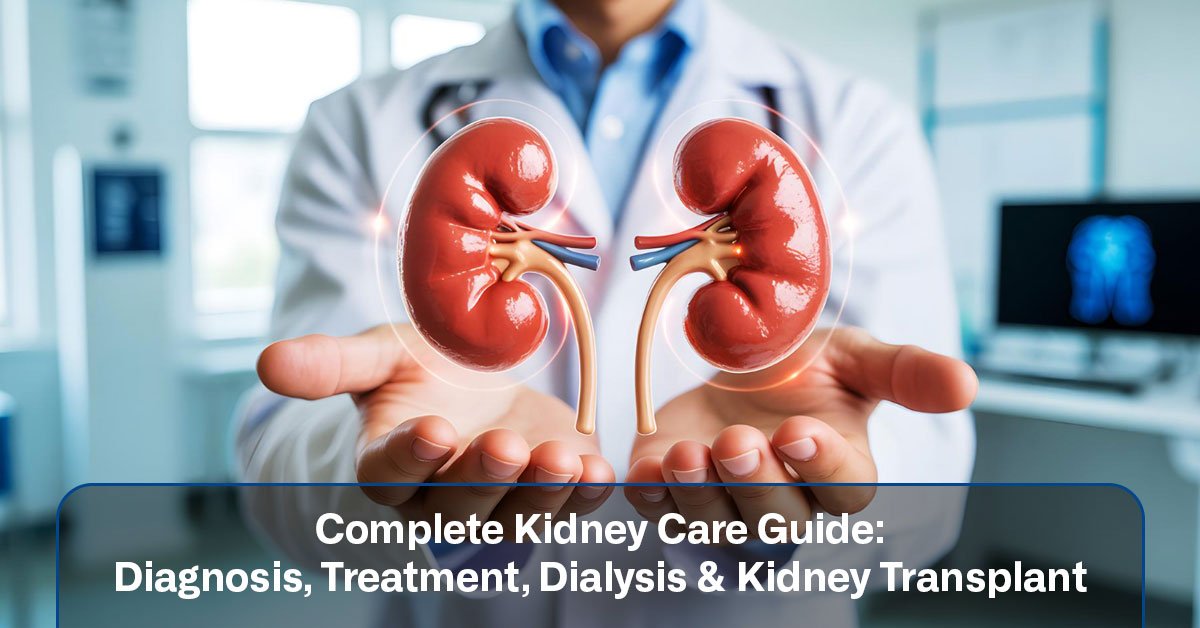
For advanced kidney disease, treatment may become more specialized. Some patients may require dialysis, while others may need evaluation for kidney transplantation.

A kidney specialist Islamabad can develop or recommend a treatment plan based on the patient’s condition.

Common approaches to kidney disease treatment may include:

  • Managing high blood pressure
  • Controlling blood sugar
  • Reviewing medicines
  • Monitoring kidney function
  • Managing fluid and electrolyte levels
  • Following an appropriate diet
  • Treating underlying kidney conditions
  • Dialysis when medically required
  • Transplant evaluation when appropriate

Your kidney specialist Islamabad should determine the most suitable approach after reviewing your medical condition.

Can Kidney Disease Be Prevented?

Not every type of kidney disease can be prevented. However, many healthy habits can reduce the risk of kidney damage or help slow the progression of existing disease.

First, manage blood pressure and blood sugar carefully if you have hypertension or diabetes. Next, take medicines only as directed and discuss long term medication use with your doctor.

Regular physical activity, a healthy weight, balanced nutrition, and avoiding smoking can also support overall health.

If you have kidney disease risk factors, regular checkups with a kidney specialist Islamabad can help monitor kidney function. Early detection may provide more opportunities to manage a condition effectively.

Kidney Doctor Islamabad: When Specialist Care Matters

A kidney doctor Islamabad patients can consult may provide an initial assessment of kidney related concerns. However, if tests suggest reduced kidney function or another kidney condition, a nephrologist may provide more specialized care.

A kidney specialist Islamabad can evaluate the relationship between kidney health, blood pressure, diabetes, medications, and other medical conditions.

This is particularly important because kidney disease may progress without obvious symptoms. Regular monitoring can therefore help identify changes before they become more serious.

Kidney Specialist Islamabad for Renal Care

Choosing a kidney specialist Islamabad can be an important step when you have symptoms or abnormal kidney test results. Specialist evaluation can help identify potential problems and determine what care may be appropriate.

Islamabad Specialist Hospital provides renal and surgical care as well as renal transplant related services. Patients can discuss their symptoms and medical history with the healthcare team and receive guidance about the next step in their care.

If you are searching for a kidney specialist Islamabad, consider choosing a hospital where renal care, diagnostic support, and specialist services are available together.

What Should You Do If You Notice Kidney Symptoms?

Do not ignore persistent changes in your health. If you notice changes in urination, swelling, unusual fatigue, high blood pressure, or abnormal kidney test results, speak with a healthcare professional.

Avoid self diagnosis because the same symptoms can occur with several different conditions. Instead, explain your symptoms clearly and provide information about your medicines and existing health conditions.

If kidney disease is suspected, a kidney specialist Islamabad can perform a detailed evaluation and recommend appropriate tests.

Most importantly, seek medical advice promptly if symptoms are severe, sudden, worsening, or associated with significant changes in your general health.

Conclusion

Kidney problems can develop quietly, making awareness and timely medical evaluation important. Changes in urination, swelling, persistent fatigue, high blood pressure, and abnormal kidney tests can all be reasons to seek professional advice.

A kidney specialist Islamabad can evaluate kidney function, identify possible causes, and recommend appropriate care. With timely diagnosis and suitable kidney disease treatment, patients can better manage kidney conditions and support long term kidney health.

If you are experiencing possible kidney symptoms or need specialist renal care, contact Islamabad Specialist Hospital to discuss your healthcare needs with the medical team.

FAQs

When should I see a kidney specialist Islamabad?

You should consider seeing a kidney specialist Islamabad if you have persistent urinary changes, swelling, abnormal kidney tests, protein or blood in your urine, uncontrolled blood pressure, or declining kidney function.

What does a nephrologist treat?

A nephrologist treats medical kidney conditions such as chronic kidney disease, acute kidney injury, electrolyte problems, kidney related hypertension, and advanced kidney disease.

Is frequent urination a sign of kidney disease?

Frequent urination can have many causes. However, persistent changes in urination should be evaluated by a doctor, particularly when other symptoms are present.

Can high blood pressure damage the kidneys?

Yes. Long term uncontrolled high blood pressure can damage the kidney’s blood vessels and contribute to kidney disease.

What is the difference between a nephrologist and a urologist?

A nephrologist focuses mainly on medical kidney conditions and kidney function. A urologist treats conditions affecting the urinary system and also performs relevant surgical procedures.

How is kidney disease diagnosed?

Diagnosis may involve blood tests, urine tests, blood pressure checks, imaging, and other investigations. A kidney specialist Islamabad can determine which tests are appropriate.

Can kidney disease be treated?

Many kidney conditions can be managed. Kidney disease treatment depends on the specific cause, severity, and overall health of the patient.

Where can I find a kidney specialist Islamabad?

Patients searching for a kidney specialist Islamabad can consult Islamabad Specialist Hospital for renal evaluation, specialist care, and guidance based on their individual healthcare needs.

Physiotherapy After Surgery: How Rehabilitation Supports Recovery

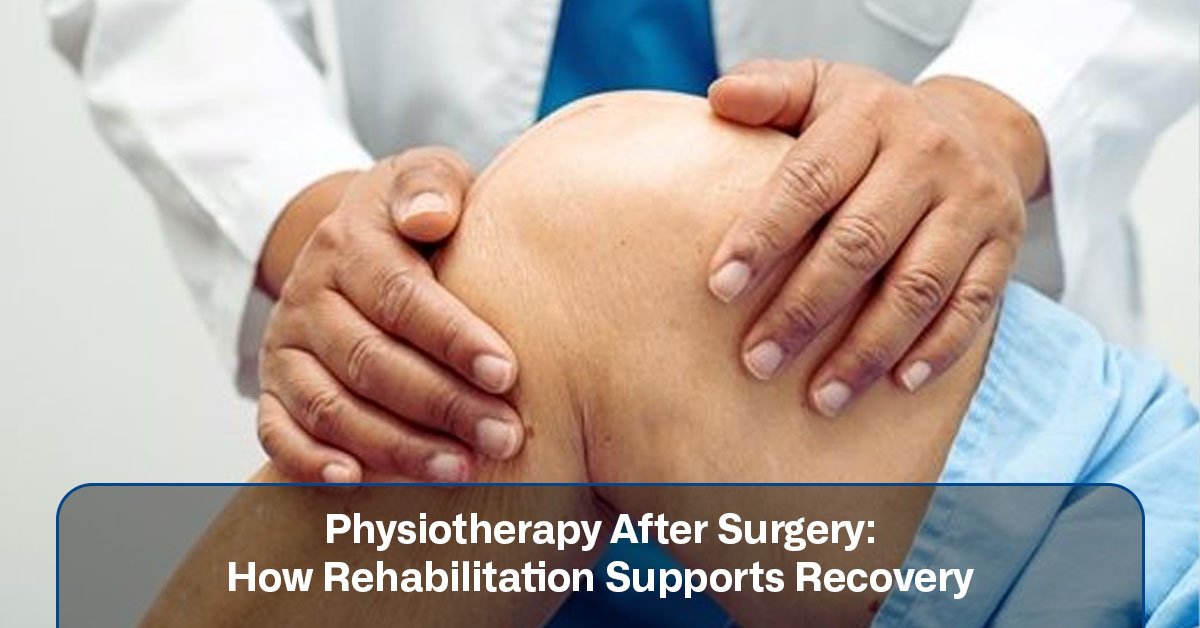
Surgery can be an important step toward improving your health, but recovery does not stop after the procedure. Your body may need time to regain strength, flexibility, balance, and normal movement. This is where physiotherapy Islamabad can make a valuable difference. With the right rehabilitation plan, patients can gradually improve mobility and return to their everyday activities.

After surgery, it is common to feel weak, stiff, or uncomfortable while moving. However, avoiding movement for too long can sometimes slow the recovery process. Therefore, doctors may recommend physiotherapy treatment to help patients move safely and rebuild their physical strength.

Whether you have undergone joint surgery, orthopaedic surgery, or another procedure that affects mobility, a structured rehabilitation Islamabad program can help you progress step by step.

What Is Physiotherapy After Surgery?

Physiotherapy after surgery is a planned form of rehabilitation designed to help the body regain movement and function. It may include exercises, stretching, mobility training, balance activities, and strength-building techniques.

The treatment is not the same for everyone. For example, someone recovering from knee surgery may need exercises focused on walking, knee movement, and muscle strength. On the other hand, a patient recovering from another type of surgery may need a completely different approach.

A qualified physiotherapist assesses your condition before developing a plan. This assessment may include your mobility, muscle strength, flexibility, balance, pain level, and ability to perform everyday activities.

As your condition improves, your physiotherapy Islamabad program can also be adjusted. This allows rehabilitation to progress gradually instead of placing unnecessary stress on the recovering body.

Why Is Physiotherapy Important After Surgery?

Surgery and inactivity can affect muscles and joints. When you spend a long time resting, muscles may become weaker and joints may become stiff. As a result, simple activities such as walking, standing, climbing stairs, or getting out of bed may become difficult.

Professional physiotherapy treatment helps patients understand how and when to move. Instead of immediately returning to normal activities, rehabilitation introduces suitable movements at the appropriate stage.

Furthermore, physiotherapy Islamabad can help patients build confidence. When movement becomes easier and strength gradually returns, patients often feel more comfortable becoming active again.

The main goals of rehabilitation may include:

  • Improving flexibility and joint movement
  • Restoring muscle strength
  • Improving balance and coordination
  • Reducing stiffness
  • Supporting better mobility
  • Improving walking ability
  • Helping with everyday activities
  • Supporting a gradual return to work or exercise

When Should Physiotherapy Start After Surgery?

There is no single starting time for every patient. The right time depends on the procedure, medical condition, age, and instructions provided by the surgeon.

Some patients may begin gentle movements shortly after surgery. Others may need more recovery time before starting active exercises. Therefore, it is important to follow your doctor’s recommendations.
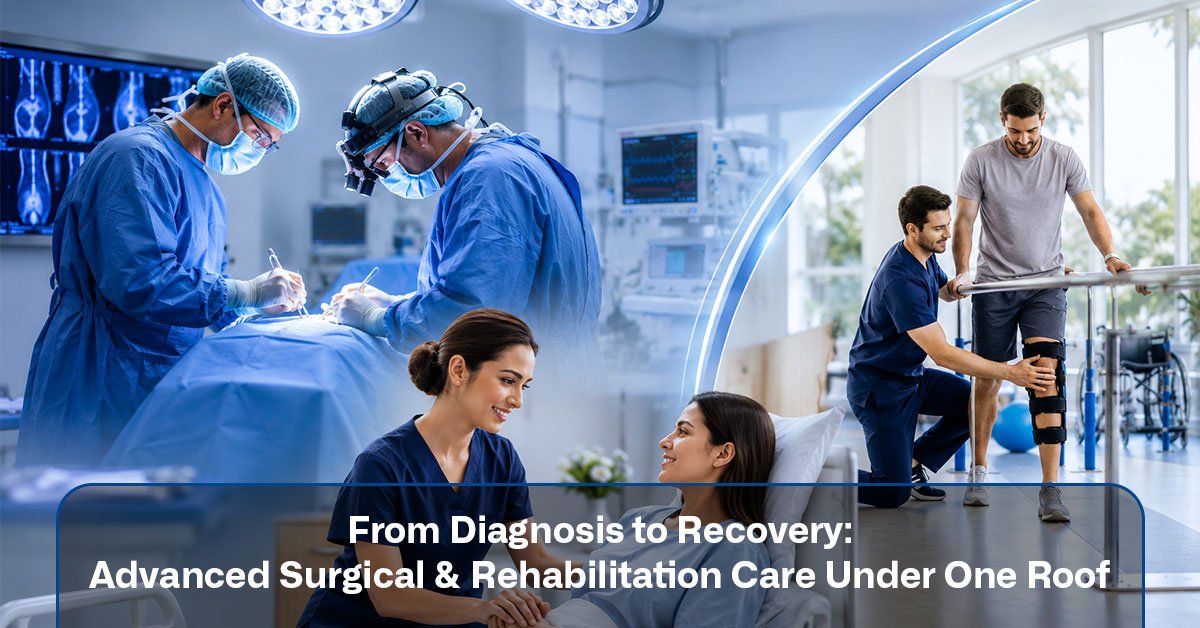
Early post surgery physiotherapy does not necessarily mean difficult exercise. In many cases, rehabilitation begins with simple movements. These may include gentle range-of-motion exercises, breathing exercises, bed movements, or assisted walking.

With physiotherapy Islamabad, the objective is to support recovery without overloading the body. The intensity can increase gradually as strength and mobility improve.

How Does Physiotherapy Support Surgical Recovery?

1. It Helps Restore Movement

Limited movement is common after surgery. Pain, swelling, weakness, and stiffness can make it difficult to use the affected body part normally.

Physical therapy can introduce controlled movements that help improve flexibility and mobility. With consistent practice, patients may gradually find everyday movements easier.

2. It Builds Muscle Strength

Muscles can become weak when a person remains inactive after surgery. This weakness may affect walking, standing, lifting, and other daily activities.

A suitable physiotherapy treatment plan may include progressive strengthening exercises. The exercises can become more challenging as the patient becomes stronger.

3. It Improves Balance

Some surgeries can affect balance and walking confidence. This can make patients feel unstable, especially when they first begin moving independently.

A physiotherapist may include balance and coordination exercises in the rehabilitation plan. Consequently, patients can work toward safer and more confident movement.

4. It Supports Daily Activities

Recovery is not simply about reducing pain. Patients also want to return to their normal routines.

Post surgery physiotherapy may focus on practical activities such as:

  • Getting out of bed
  • Standing safely
  • Walking
  • Sitting and standing from a chair
  • Using stairs
  • Performing household activities
  • Returning to work-related movements

5. It Helps You Return to Activity Gradually

Many patients are eager to return to their normal routine. However, increasing activity too quickly can place additional stress on the recovering body.

A structured rehabilitation Islamabad plan allows activity levels to increase gradually. The physiotherapist can explain which movements are appropriate and when it may be suitable to increase exercise.

What Happens During a Physiotherapy Session?

Every session can be different depending on the patient’s condition and stage of recovery. Usually, the physiotherapist begins by reviewing the patient’s progress.

They may ask about pain, movement, daily activities, and any difficulties experienced since the previous appointment. They may also check strength, flexibility, balance, and mobility.

After the assessment, the therapist may perform or recommend appropriate exercises. Patients may also receive home exercises to continue between sessions.

A typical session may include:

  • Movement assessment
  • Mobility exercises
  • Gentle stretching
  • Strength training
  • Balance exercises
  • Walking practice
  • Functional movement training
  • Home exercise instructions

Regular assessment is important because your needs can change during recovery. Therefore, your physiotherapy Islamabad plan may be modified as your strength and mobility improve.

Which Surgeries May Require Physiotherapy?

Many types of surgery can affect movement and physical function. However, not every patient requires the same level of rehabilitation.

Physiotherapy after surgery may be recommended following procedures involving the:

  • Knee
  • Hip
  • Shoulder
  • Spine
  • Bones and joints
  • Muscles and soft tissues
  • Certain abdominal procedures
  • Certain neurological procedures

Orthopaedic procedures often require rehabilitation because they can directly affect mobility, strength, and joint function. For instance, patients recovering from knee or hip surgery may initially have difficulty walking.

Similarly, shoulder surgery can affect arm movement and strength. A suitable physiotherapy Islamabad program can help patients work toward improved function while following the surgeon’s restrictions.

Can Physiotherapy Help With Post-Surgery Stiffness?

Yes. Stiffness can develop when movement is restricted after surgery. Joints and surrounding muscles may feel tight, particularly after periods of inactivity.

Appropriate stretching and mobility exercises can help improve movement. However, patients should avoid performing exercises that have not been approved for their recovery stage.

Doing too much too soon may cause unnecessary discomfort or complications. Therefore, professional guidance is important when starting physical therapy after surgery.

A physiotherapist can explain which movements are appropriate and which should be avoided during different stages of recovery.

What Are the Benefits of Guided Rehabilitation?

Recovering without professional guidance can sometimes be confusing. Patients may not know how much exercise is appropriate or whether a particular movement is safe.

Professional physiotherapy treatment provides a structured approach. Instead of following random exercises, patients receive a plan based on their condition, surgery, and recovery goals.

Potential benefits include:

  • Personalized rehabilitation planning
  • Improved mobility
  • Better muscle strength
  • Improved flexibility
  • Better balance
  • Safer movement
  • Greater confidence
  • Support for everyday activities
  • Guidance for home exercises

Moreover, professional rehabilitation allows progress to be monitored. If an exercise is too difficult or no longer challenging enough, the therapist can make suitable adjustments.

Physiotherapy at Home vs. Clinical Physiotherapy

Home exercises can be an important part of recovery. In fact, patients are often given exercises to perform between professional sessions.

However, clinical physiotherapy Islamabad provides direct supervision. A physiotherapist can observe how you perform an exercise and correct your technique when necessary.

This can be particularly helpful after complex procedures. Patients can then continue approved exercises at home while attending scheduled rehabilitation sessions.

The best approach depends on your surgery, mobility, medical condition, and doctor’s recommendations.
How Long Does Post-Surgery Physiotherapy Take?

The duration of post surgery physiotherapy varies from one patient to another. There is no universal recovery timeline because every surgery and patient is different.

Several factors can affect rehabilitation time, including:

  • Type of surgery
  • Age
  • Overall health
  • Muscle strength
  • Mobility before surgery
  • Pain and swelling
  • Surgical restrictions
  • Progress during rehabilitation

Some patients may require only a few weeks of rehabilitation. Others may need several months of continued support.

Therefore, the focus should be on gradual improvement rather than comparing your recovery with someone else’s. A personalized rehabilitation Islamabad program can be adjusted according to your progress.

Tips for Better Recovery After Surgery

Patients can support their recovery by following their doctor’s and physiotherapist’s instructions carefully. Consistency is important, but so is allowing the body enough time to heal.

Consider the following:

  • Follow your recommended exercise plan
  • Attend scheduled physiotherapy treatment sessions
  • Take adequate rest
  • Avoid movements that your doctor has restricted
  • Keep the surgical area protected
  • Stay active within safe limits
  • Follow your prescribed medication plan
  • Report unusual symptoms to your healthcare provider

Most importantly, avoid rushing your recovery. A slower but controlled recovery can be more appropriate than returning to strenuous activities too early.

When Should You Contact Your Doctor?

Some discomfort may be expected after surgery. However, severe, sudden, or worsening symptoms should not be ignored.

Contact your healthcare provider if you experience:

  • Severe or increasing pain
  • Significant swelling
  • New weakness
  • Loss of movement
  • Fever
  • Problems around the surgical wound
  • Difficulty breathing
  • Sudden changes in your condition

Your doctor can determine whether the symptoms are part of normal recovery or require additional medical attention.

Choosing Physiotherapy After Surgery

Choosing the right rehabilitation service is an important part of recovery. Patients should look for qualified professionals who understand post-surgical rehabilitation and can work according to the surgeon’s recommendations.

A good physiotherapy Islamabad program should be personalized rather than based on the same exercises for every patient. The treatment should consider your surgery, current physical condition, recovery stage, and daily goals.

At Islamabad Specialist Hospital, patients can discuss their rehabilitation needs with their healthcare team and determine whether physiotherapy treatment is suitable for their condition.

Conclusion

Physiotherapy Islamabad can play an important role in post-surgery recovery by supporting movement, strength, flexibility, balance, and mobility. With professional guidance and a personalized rehabilitation Islamabad plan, patients can gradually work toward returning to their normal activities.

For physiotherapy and rehabilitation support, contact Islamabad Specialist Hospital to discuss your recovery needs with the healthcare team.

Frequently Asked Questions

1. When should I start physiotherapy after surgery?

The ideal time depends on your surgery and medical condition. Your doctor or physiotherapist can recommend when to begin physiotherapy Islamabad and which exercises are appropriate.

2. How does physiotherapy help after surgery?

Physiotherapy treatment can support mobility, flexibility, muscle strength, balance, and functional movement while helping patients gradually return to everyday activities.

3. Is physiotherapy necessary after every surgery?

No. The need for post surgery physiotherapy depends on the type of procedure and the patient’s condition. Your doctor can determine whether rehabilitation is appropriate.

4. How long does post-surgery physiotherapy take?

Recovery time varies. The duration of rehabilitation Islamabad may depend on the type of surgery, age, health, mobility, strength, and individual progress.

5. Can physiotherapy reduce stiffness after surgery?

Appropriate mobility and stretching exercises may help improve flexibility and reduce stiffness. However, exercises should be selected according to your recovery stage.

6. Can I do physiotherapy exercises at home?

Yes. Many patients receive home exercises as part of their physiotherapy treatment. These exercises should be performed according to professional instructions.

7. Is physiotherapy the same as physical therapy?

In general, physiotherapy and physical therapy refer to rehabilitation care that focuses on movement, strength, mobility, and physical function.

8. Can physiotherapy help after knee or hip surgery?

Yes. Post surgery physiotherapy may help patients improve strength, movement, balance, and walking ability after suitable knee or hip procedures.

9. Where can I get physiotherapy Islamabad?

If you are searching for physiotherapy Islamabad, speak with a qualified healthcare provider who can assess your condition and recommend an appropriate rehabilitation plan.

10. When should I contact a physiotherapist after surgery?

You should discuss rehabilitation with your healthcare team at the appropriate stage of recovery. A physiotherapist can assess your condition and develop a personalized rehabilitation Islamabad plan.

Women’s & Children’s Healthcare: Essential Medical Services for Every Stage of Life

Women and Children Healthcare should support women and children through every stage of life. From pregnancy and childbirth to routine pediatric care and urgent medical needs, timely access to the right specialist can make a major difference.

Women and children healthcare brings together different areas of medical support to address the unique needs of mothers, women, and young patients. At Islamabad Specialist Hospital (ISH), services include obstetrics, gynecology, paediatrics and emergency care, along with diagnostic support to help patients receive appropriate evaluation and treatment. (ishpk.com)

Why Women and Children Need Specialized Healthcare

Women and Children Healthcare have different healthcare needs at different stages of life. A woman’s health needs may change during adolescence, pregnancy, childbirth, and later adulthood. Similarly, children require age-appropriate medical attention because their bodies and development continue to change.

For this reason, choosing appropriate women’s healthcare in Islamabad can help patients receive care that matches their individual needs.

Women may need medical support for menstrual concerns, hormonal changes, pregnancy, childbirth, reproductive health, or gynecological conditions. Children, meanwhile, may need care for infections, growth concerns, nutrition, injuries, or sudden illnesses.

Moreover, early medical attention can often prevent a minor concern from becoming a more serious problem.

Understanding Obstetrics Services

Obstetrics services focus on pregnancy, childbirth, and the health of both mother and baby during this important period.

Pregnancy involves many physical and emotional changes. Therefore, regular prenatal care helps healthcare professionals monitor the mother’s health and the baby’s development.

During pregnancy, healthcare providers may monitor:

  • Maternal blood pressure
  • Baby’s growth and development
  • General maternal health
  • Pregnancy-related symptoms
  • Potential complications
  • Preparation for childbirth

Regular appointments also give expectant mothers an opportunity to ask questions and discuss concerns.

At ISH, obstetrics is included among its women’s healthcare services, supporting women during pregnancy and maternity care. (ishpk.com)

Why Prenatal Care Matters

Prenatal care is not simply about checking the baby’s development. It also helps identify health concerns affecting the mother.

For example, certain pregnancy-related conditions can require closer monitoring. Early identification allows the healthcare team to decide whether additional testing, treatment, or specialist care is needed.

Therefore, pregnant women should follow the appointment schedule recommended by their healthcare provider.

Gynecology Services for Women’s Health

While obstetrics focuses primarily on pregnancy and childbirth, gynecology services address many other aspects of women’s reproductive and overall health.

Women may seek gynecological care for concerns such as:

  • Menstrual problems
  • Pelvic discomfort
  • Hormonal concerns
  • Abnormal bleeding
  • Reproductive health issues
  • Menopause-related concerns
  • Certain gynecological conditions

Women and Children Healthcare a gynecologist can evaluate symptoms, recommend appropriate investigations, and discuss treatment options.

Importantly, women should not feel that they need to wait until symptoms become severe before seeking medical advice. Persistent or unusual changes deserve professional assessment.

For women looking for women’s healthcare in Islamabad, access to obstetrics and gynecology within a specialist hospital can provide continuity across different stages of life.

Pregnancy Care in Islamabad: What Expecting Mothers Should Know

Finding appropriate pregnancy care in Islamabad is an important decision for expectant mothers.

Pregnancy care usually involves regular medical appointments, monitoring, appropriate investigations, and preparation for delivery. However, the exact care plan varies depending on the mother’s health, pregnancy history, and individual circumstances.

Expectant mothers should inform their healthcare provider about existing medical conditions, medications, previous pregnancy complications, and any new symptoms.

A healthcare professional may also provide guidance about:

  • Nutrition
  • Physical activity
  • Supplements
  • Warning signs
  • Routine testing
  • Birth planning
  • Postpartum care

Furthermore, good communication between the mother and medical team can make pregnancy care more comfortable and informed.

Pediatric Care: Supporting Children as They Grow

Children are not simply small adults. Their healthcare needs change as they grow, which is why pediatric care is an important part of family healthcare.

Pediatricians are trained to assess children according to their age and developmental stage. They can help with common childhood illnesses as well as broader health concerns.

Pediatric care may involve:

  • Monitoring growth
  • Assessing development
  • Treating childhood illnesses
  • Managing infections
  • Addressing nutrition concerns
  • Providing health guidance to parents
  • Evaluating injuries or other symptoms

Parents should also pay attention to changes in a child’s behavior, appetite, sleep, activity level, or physical condition.

Women and Children Healthcare at Islamabad Specialist Hospital, Paediatrics & Emergency is listed among the hospital’s healthcare services, providing care for children who need medical assessment and treatment. (ishpk.com)

Pediatric Emergency Care: When Quick Assessment Matters

Children can become unwell quickly, and some situations require urgent medical evaluation. Pediatric emergency care is designed for children who need prompt assessment because of sudden illness, injury, or concerning symptoms.

Parents should seek urgent medical attention when a child has symptoms that appear severe, rapidly worsen, or significantly affect breathing, consciousness, movement, or general responsiveness.

Examples may include:

  • Difficulty breathing
  • Severe injury
  • Loss of consciousness
  • Persistent vomiting
  • Severe dehydration
  • Seizure-like activity
  • Significant bleeding
  • Sudden serious illness

However, parents should not try to diagnose a serious condition themselves. When a situation appears urgent, professional medical assessment is the safest approach.

ISH includes paediatric emergency care within its pediatric services, helping provide medical attention when children require timely evaluation. (ishpk.com)

The Role of Diagnostics in Women's and Children's Healthcare

Diagnosis is an important part of effective healthcare. Symptoms alone do not always tell the complete story, and healthcare professionals may need additional information before making a treatment decision.

This is where diagnostic services can support doctors and patients.

Depending on the situation, a healthcare professional may recommend laboratory testing, imaging, or another diagnostic assessment.

For example, during pregnancy, appropriate diagnostic evaluation may help monitor maternal and fetal health. Similarly, a child with persistent symptoms may require testing to identify the underlying cause.

ISH provides Diagnostics & Imaging services designed to support accurate diagnosis and informed treatment decisions. (ishpk.com)

As a result, combining specialist consultation with appropriate diagnostic support can make the overall healthcare process more efficient.

How Obstetrics and Gynecology Work Together

Although obstetrics and gynecology are closely related, they have different areas of focus.

Gynecology primarily deals with women’s reproductive health outside pregnancy, while obstetrics focuses on pregnancy, childbirth, and related maternal care.

However, the two areas can overlap.

For example, a woman may initially visit a gynecologist for a reproductive health concern and later receive obstetric care during pregnancy.

This continuity can be valuable because the healthcare team can consider the woman’s broader medical history when providing care.

Therefore, women should choose healthcare services based on their current needs while also considering the possibility of long-term follow-up.

Women’s Healthcare Beyond Pregnancy


Women and Children Healthcare a common misconception is that women’s healthcare is mainly about pregnancy. In reality, women may need specialist care throughout their entire lives.

During adolescence, healthcare may involve menstrual and reproductive health education. During adulthood, women may seek care for hormonal, reproductive, or gynecological concerns. Later, healthcare needs may change again during perimenopause and menopause.

Consequently, regular medical consultations can help women understand changes in their bodies and seek appropriate treatment when needed.

Women should discuss persistent symptoms such as abnormal bleeding, pelvic pain, unusual discharge, or significant menstrual changes with a qualified healthcare professional.

Early evaluation can help identify the cause and determine the appropriate next step.

Healthcare for Children at Different Ages

Children also require different forms of care as they grow.

A newborn may require close monitoring after birth. Infants need attention to feeding, growth, development, and common illnesses. School-age children may experience infections, injuries, nutritional concerns, or developmental issues.

Teenagers, meanwhile, may have different physical and emotional healthcare needs.

Therefore, child healthcare services should be flexible enough to support children across different stages of development.

Parents should keep track of important medical information and communicate clearly with the pediatric healthcare provider.

When Should Parents Take a Child to a Doctor?

Not every childhood illness requires emergency treatment. However, parents should seek medical advice when symptoms are persistent, severe, unusual, or worsening.

For example, a child may need medical evaluation for:

  • Persistent fever
  • Difficulty breathing
  • Ongoing vomiting or diarrhea
  • Poor feeding
  • Unusual sleepiness
  • Persistent pain
  • Significant changes in behavior
  • Dehydration
  • Injury

If symptoms appear severe or life-threatening, emergency medical care should be sought immediately.

A pediatrician can help parents understand whether a child’s symptoms require routine treatment, further testing, or urgent attention.

Choosing Women’s Healthcare in Islamabad

When searching for women’s healthcare in Islamabad, patients should consider whether the healthcare facility provides services that match their needs.

For example, women may benefit from access to both gynecology and obstetrics. Expectant mothers may also value maternity support and diagnostic services.

At ISH, obstetrics and gynecology are part of the hospital’s specialist healthcare services. The hospital also provides diagnostics and imaging to support medical assessment. (ishpk.com)

Patients should always discuss their individual circumstances with a qualified healthcare professional before making treatment decisions.

Choosing Pediatric Care in Islamabad

Parents searching for pediatric care should consider the child’s age, symptoms, and healthcare requirements.

A good pediatric service should provide age-appropriate medical assessment and help parents understand their child’s condition.

Access to emergency support can also be important because children may occasionally require urgent attention outside routine appointments.

ISH lists Paediatrics & Emergency among its services, providing pediatric medical support for children who require assessment and treatment. (ishpk.com)

In addition, diagnostic support can help healthcare professionals investigate symptoms when further information is needed.

How These Services Work Together

One of the major advantages of comprehensive women and children healthcare is the ability to connect different services according to patient needs.

For example, an expectant mother may receive obstetric care, undergo recommended diagnostic assessments, and later receive postpartum follow-up.

Similarly, a child may visit a pediatrician for a persistent illness and then receive diagnostic testing if the doctor needs more information.

In urgent situations, pediatric emergency care can provide prompt assessment before additional treatment or follow-up is arranged.

Therefore, these services are not isolated. They can work together to create a more coordinated healthcare journey.

The Importance of Preventive Healthcare

Treatment is only one part of good healthcare. Prevention and early assessment are equally important.

Women and Children Healthcare women should maintain regular medical appointments according to their age and individual health needs. Similarly, parents should follow recommended pediatric checkups and seek medical advice when concerns arise.

Healthy lifestyle habits can also support overall family health.

These may include:

  • Eating a balanced diet
  • Staying physically active
  • Getting adequate sleep
  • Maintaining good hygiene
  • Following recommended vaccinations
  • Avoiding tobacco exposure
  • Attending appropriate medical checkups

However, preventive care should always be personalized according to age, medical history, and professional recommendations.

A Family-Centered Approach to Healthcare

Healthcare becomes easier when patients understand their options and feel comfortable discussing concerns with their medical team.

For women, this may mean asking questions about pregnancy, reproductive health, symptoms, or treatment options.

For parents, it may involve discussing a child’s growth, behavior, nutrition, symptoms, or medication.

Clear communication can help doctors understand the patient’s needs and can also help families make informed healthcare decisions.

At ISH, women’s, pediatric, emergency, and diagnostic services form part of a broader specialist healthcare environment. (ishpk.com)

Conclusion

Women and children need healthcare that adapts to their changing needs. From obstetrics services and gynecology services to pediatric care, emergency support, and diagnostic services, each area has an important role.

For women, appropriate pregnancy and reproductive healthcare can support wellbeing through different stages of life. For children, timely pediatric assessment can help identify and manage health concerns while supporting healthy growth and development.

If you are searching for women’s healthcare in Islamabad or pediatric care, Islamabad Specialist Hospital provides obstetrics, gynecology, Paediatrics & Emergency, and diagnostic services within its specialist healthcare environment. (ishpk.com)

Most importantly, do not ignore persistent or concerning symptoms. Speak with a qualified healthcare professional to understand the right care for you or your child.

Contact Us

For trusted women and children healthcare, contact Islamabad Specialist Hospital to discuss your healthcare needs and connect with the appropriate specialist team.

FAQs 

1. What does women and children healthcare include?

Women and children healthcare includes services such as obstetrics, gynecology, pediatric care, emergency care, and diagnostic support, depending on the patient’s needs.

2. What do obstetrics services cover?

Obstetrics services focus on pregnancy, maternity care, childbirth, and the health of the mother and baby during pregnancy.

3. What are gynecology services used for?

Gynecology services address many areas of women’s reproductive health, including menstrual concerns, pelvic symptoms, hormonal issues, and other gynecological conditions.

4. When should I seek pregnancy care in Islamabad?

Pregnant women should arrange appropriate prenatal care early and follow the appointment schedule recommended by their healthcare provider.

5. What does pediatric care include?

Pediatric care includes medical assessment and treatment for children, along with support for growth, development, common illnesses, nutrition, and other age-related health needs.

6. When does a child need pediatric emergency care?

A child may need emergency care for serious symptoms such as difficulty breathing, loss of consciousness, severe injury, significant bleeding, seizures, or rapidly worsening illness.

7. Where can I find women’s healthcare in Islamabad?

Islamabad Specialist Hospital provides obstetrics and gynecology services along with diagnostic support for women’s healthcare needs.

8. Where can I find pediatric care in Islamabad?

Islamabad Specialist Hospital offers Paediatrics & Emergency services for children requiring medical assessment and treatment.

From Diagnosis to Recovery: Advanced Surgical & Rehabilitation Care Under One Roof

When a health condition requires surgery, patients need more than a procedure. They also need accurate diagnosis, careful planning, experienced surgical care, and proper recovery support. Surgical care services can cover several stages of this journey, from identifying the problem to helping patients return to daily activities.

At Islamabad Specialist Hospital (ISH), services include General Surgery, Laparoscopic Surgery, Robotic Surgery, Orthopaedics, and Physiotherapy & Rehabilitation, creating a broad pathway for patients who need surgical treatment and recovery support. (ishpk.com)

Understanding the Surgical Care Journey

Surgery can sound stressful, especially when patients are unsure about what will happen before and after the procedure. However, understanding the overall process can make the experience easier.

A typical surgical journey may involve several steps:

  • Initial consultation
  • Diagnostic assessment
  • Treatment planning
  • Pre-operative preparation
  • Surgical procedure
  • Recovery and monitoring
  • Rehabilitation and follow-up

The exact process depends on the patient’s condition and the type of surgery required.

Therefore, surgical care services should not be viewed as one isolated procedure. Instead, they are part of a complete healthcare journey designed around the patient’s specific needs.

When Is Surgery Recommended?

Not every medical condition requires surgery. In many cases, doctors first consider medication, lifestyle changes, physical therapy, or other non-surgical treatments.

However, Surgical Care Services surgery may become appropriate when a condition cannot be effectively managed through conservative treatment or when an operation offers a better clinical outcome.

The decision may depend on:

  • The type and severity of the condition
  • The patient’s symptoms
  • Diagnostic results
  • Previous treatments
  • Overall health
  • Potential benefits and risks of surgery

Patients should discuss these factors with their surgeon before making a treatment decision.

General Surgery: Treating a Wide Range of Conditions

General Surgery is a broad surgical specialty that covers many procedures involving different parts of the body.

General surgeons may treat conditions affecting areas such as the abdomen, digestive system, soft tissues, and other structures depending on their training and clinical expertise.

Before surgery, the surgeon usually reviews the patient’s symptoms, medical history, examination findings, and diagnostic results. This helps determine whether surgery is appropriate and which procedure may be most suitable.

ISH lists General Surgery among its specialist services and provides surgical care supported by modern operating facilities. (ishpk.com)

Because general Surgical Care Services covers many different conditions, treatment plans are always individualized.

Laparoscopic Surgery: A Minimally Invasive Approach

Laparoscopic Surgery is a minimally invasive surgical technique that uses small incisions and specialized instruments.

Instead of making one large incision, surgeons use a camera and instruments inserted through smaller openings. The camera provides an internal view of the surgical area, allowing the surgeon to perform the required procedure.

Depending on the operation and the patient’s condition, potential advantages may include:

  • Smaller incisions
  • Less tissue disruption
  • Reduced scarring
  • Potentially less post-operative discomfort
  • Earlier movement in some cases
  • Potentially shorter recovery

However, laparoscopic surgery is not appropriate for every patient or every procedure. The surgeon decides whether it is suitable based on the medical condition and individual circumstances.

ISH provides laparoscopic surgical care as part of its advanced surgical services. (ishpk.com)

Robotic Surgery and Modern Surgical Technology

Technology continues to change the way some surgical procedures are performed. Robotic Surgery is one example of advanced surgical technology that can assist surgeons during selected procedures.

Robotic systems do not independently replace the surgeon. Instead, the surgeon controls the system and uses specialized instruments to perform the operation.

Depending on the procedure, robotic technology may provide enhanced instrument movement and visualization. This can be particularly useful for certain complex or minimally invasive operations.

However, robotic surgery is not automatically better for every patient. The most appropriate technique depends on the condition, procedure, surgeon’s assessment, and patient’s health.

ISH lists robotic surgery among its advanced surgical services and describes its surgical infrastructure as supporting complex procedures. (ishpk.com)

Laparoscopic vs. Robotic Surgery

Patients often ask whether laparoscopic or robotic surgery is better. The answer depends on the specific operation.

Both approaches can involve minimally invasive techniques. However, the equipment and surgical methods differ.

Laparoscopic Surgery

Laparoscopic procedures use a camera and specialized instruments inserted through small incisions. The surgeon manually controls the instruments.

Robotic Surgery

In robotic procedures, the surgeon controls robotic instruments from a specialized console. The system can provide enhanced movement and visualization for selected procedures.

Neither approach is universally appropriate.

Therefore, patients should not choose a surgical method based solely on the technology involved. Instead, they should ask their surgeon which approach is safest and most appropriate for their particular condition.

Orthopaedic Services for Bones, Joints, and Movement

Surgery is not limited to internal organs. Orthopaedic care focuses on the musculoskeletal system, including bones, joints, muscles, ligaments, and related structures.

Orthopaedic services may support patients with injuries, joint problems, fractures, degenerative conditions, and other musculoskeletal concerns.

Treatment does not always involve surgery. Depending on the diagnosis, a patient may benefit from medication, physical therapy, rehabilitation, injections, or other non-surgical approaches.

However, some injuries and conditions may require an operation.

ISH includes Orthopaedics among its specialist healthcare services, supporting patients with musculoskeletal conditions. (ishpk.com)

The Importance of Physiotherapy and Rehabilitation

Surgery is only one part of recovery. After an operation or injury, patients may need structured rehabilitation to regain strength, movement, balance, flexibility, and confidence.

Physiotherapy services can play an important role in this process.

A physiotherapist may assess the patient’s movement and create an exercise-based rehabilitation plan according to the patient’s condition.

Rehabilitation may focus on:

  • Improving mobility
  • Restoring muscle strength
  • Increasing flexibility
  • Improving balance
  • Managing movement limitations
  • Supporting a gradual return to daily activities

The specific rehabilitation program depends on the patient’s condition and the type of surgery or injury.

ISH provides Physiotherapy & Rehabilitation as part of its healthcare services, supporting recovery and functional improvement. (ishpk.com)

Why Post-Surgery Rehabilitation Matters


Patients sometimes assume that recovery ends when they leave the operating room. In reality, the recovery process may continue for weeks or months.

The body needs time to heal, and patients may temporarily experience reduced strength, stiffness, pain, or limited movement.

A structured rehabilitation plan can help patients gradually regain function.

For example, someone recovering from orthopaedic surgery may need targeted exercises to improve joint movement and muscle strength. Similarly, another patient may need rehabilitation after a procedure that affected mobility.

Therefore, rehabilitation services should be considered an important part of the overall treatment journey rather than an optional extra.

How Surgery and Rehabilitation Work Together


Effective surgical care services often involve cooperation between surgeons, nurses, physiotherapists, diagnostic specialists, and other healthcare professionals.

Consider a patient with a condition affecting movement.

First, Surgical Care Services the patient may undergo a medical assessment and diagnostic evaluation. Next, the surgeon may determine whether an operation is necessary. After the procedure, the patient may receive a rehabilitation plan to restore movement and strength.

Each stage supports the next.

This coordinated approach can help patients understand what to expect and can make it easier for different healthcare professionals to work toward the same recovery goals.

The Role of Diagnosis Before Surgery

Accurate diagnosis is essential before any major surgical decision.

Doctors may use medical history, physical examination, laboratory testing, imaging, or other diagnostic methods to understand the patient’s condition.

Diagnostic information can help answer important questions:

  • What is causing the symptoms?
  • How severe is the condition?
  • Is surgery necessary?
  • Which surgical approach may be appropriate?
  • Are there health factors that could affect the procedure?

ISH provides Diagnostics & Imaging services to support diagnosis and treatment planning. (ishpk.com)

As a result, diagnostic services form an important foundation for safe and informed surgical decision-making.

Preparing for Surgery

Once surgery is recommended, preparation becomes the next step.

The surgical team may provide instructions regarding medications, food and drink, medical tests, and other pre-operative requirements.

Patients should tell their healthcare team about:

  • Current medications
  • Allergies
  • Existing medical conditions
  • Previous surgeries
  • Previous reactions to anesthesia
  • Any new symptoms

Following pre-operative instructions carefully can help reduce avoidable complications and ensure the medical team has the information needed to provide appropriate care.

Patients should also ask questions if they do not understand any part of the preparation process.

What to Expect After Surgery

Recovery varies greatly from person to person.

Some patients may recover quickly, while others need more time and structured rehabilitation. The type of procedure, overall health, age, and individual healing process can all affect recovery.

After surgery, patients may receive instructions about:

  • Wound care
  • Medication
  • Physical activity
  • Diet
  • Follow-up appointments
  • Warning signs
  • Physiotherapy

Following these instructions can support recovery.

However, patients should contact their healthcare provider if they experience symptoms that are unexpected, severe, or worsening.

Choosing Surgical Treatment in Islamabad

Patients searching for surgical treatment in Islamabad should consider the complete care pathway rather than focusing only on the procedure itself.

Important factors may include:

  • Qualified surgical specialists
  • Appropriate diagnostic support
  • Modern operating facilities
  • Anesthesia and perioperative care
  • Post-operative monitoring
  • Rehabilitation services
  • Follow-up care

Islamabad Specialist Hospital provides General Surgery, Laparoscopic Surgery, Robotic Surgery, Orthopaedics, and Physiotherapy & Rehabilitation within its specialist healthcare environment. (ishpk.com)

This range of services can be useful for patients whose treatment requires both surgical intervention and recovery support.

When Should You Consider Orthopaedic Care?

Persistent joint pain, limited movement, recurring injuries, or difficulty performing normal activities may require professional assessment.

Orthopaedic evaluation can help determine whether the problem is related to bones, joints, muscles, ligaments, or another structure.

Treatment may be non-surgical in many cases. However, if surgery becomes necessary, an orthopaedic specialist can explain the available options.

Afterward, physiotherapy may help restore movement and function.

Therefore, orthopaedic care and rehabilitation can work together throughout the patient’s recovery.

Choosing the Right Surgical Approach

Patients may hear terms such as traditional surgery, laparoscopic surgery, and robotic surgery during a consultation. These approaches can sound confusing.

However, the best option is not necessarily the newest technology.

The right approach depends on:

  • The condition being treated
  • The procedure required
  • The patient’s health
  • The surgeon’s assessment
  • Potential benefits and risks
  • Expected recovery

Patients should therefore ask their surgeon why a particular technique is recommended.

An informed discussion can help patients understand the procedure and set realistic expectations for recovery.

Supporting a Successful Recovery

Recovery is a partnership between the patient and healthcare team.

Surgical Care Services Patients can support recovery by following medical instructions, attending follow-up appointments, completing recommended exercises, taking medicines as directed, and reporting concerning symptoms.

In addition, maintaining healthy habits can support overall recovery.

These may include:

  • Eating nutritious meals
  • Getting adequate sleep
  • Avoiding smoking
  • Following activity restrictions
  • Staying hydrated when appropriate
  • Completing prescribed rehabilitation

Most importantly, patients should avoid rushing back into strenuous activity before their healthcare provider says it is safe.

Conclusion

Modern surgery has evolved significantly, giving patients access to different techniques and treatment options. From General Surgery and Laparoscopic Surgery to Robotic Surgery, orthopaedic treatment, and rehabilitation, each service has a specific role in the patient’s healthcare journey.

However, successful treatment is not only about the operation. Accurate diagnosis, careful preparation, skilled surgical care, post-operative monitoring, and Physiotherapy & Rehabilitation can all contribute to a more complete recovery pathway.

If you are looking for surgical treatment in Islamabad, Islamabad Specialist Hospital provides General Surgery, Laparoscopic Surgery, Robotic Surgery, Orthopaedics, and Physiotherapy & Rehabilitation as part of its specialist healthcare services. (ishpk.com)

The right treatment depends on your individual condition. Therefore, consult a qualified healthcare professional to understand your diagnosis, treatment options, and expected recovery.

Contact Us

For expert guidance and comprehensive surgical care services in Islamabad, contact Islamabad Specialist Hospital and discuss your treatment needs with the appropriate specialist team.

FAQs 

1. What are surgical care services?

Surgical care services cover the healthcare journey before, during, and after surgery. They may include diagnosis, surgical planning, the procedure itself, post-operative care, and rehabilitation.

2. What is General Surgery?

General Surgery is a broad surgical specialty covering many procedures involving areas such as the abdomen, digestive system, and soft tissues.

3. What is Laparoscopic Surgery?

Laparoscopic Surgery is a minimally invasive technique that uses small incisions, a camera, and specialized surgical instruments.

4. What is Robotic Surgery?

Robotic Surgery is a technology-assisted surgical approach in which a surgeon controls specialized robotic instruments. It may be used for selected procedures.

5. Is robotic surgery better than laparoscopic surgery?

Neither technique is automatically better for every patient. The appropriate approach depends on the condition, procedure, patient’s health, and surgeon’s assessment.

6. What do orthopaedic services treat?

Orthopaedic services focus on conditions involving bones, joints, muscles, ligaments, and other parts of the musculoskeletal system.

7. Why is physiotherapy important after surgery?

Physiotherapy can help patients regain movement, strength, flexibility, balance, and function after surgery or injury.

8. Where can I find surgical treatment in Islamabad?

Islamabad Specialist Hospital offers General Surgery, Laparoscopic Surgery, Robotic Surgery, Orthopaedics, and Physiotherapy & Rehabilitation as part of its specialist healthcare services.

Complete Kidney Care Guide: Diagnosis, Treatment, Dialysis & Kidney Transplant

Healthy kidneys quietly perform essential jobs every day. They filter waste from the blood, help balance fluids and minerals, and support several important body functions. However, kidney problems can develop slowly, and early symptoms may not always be obvious. That is why timely kidney care services are important for people with kidney disease, diabetes, high blood pressure, or other risk factors. Modern kidney care can include specialist consultation, diagnostic testing, renal treatment, dialysis, surgery, and transplant support. Islamabad Specialist Hospital provides dedicated renal and surgical care, an Islamabad Kidney Center, and renal transplant services as part of its specialist healthcare facilities.

Why Kidney Health Matters

The kidneys work continuously to remove waste and excess fluid from the body. They also help maintain the right balance of minerals and fluids. Therefore, when kidney function becomes impaired, the effects can extend beyond the kidneys themselves.

Kidney disease can be associated with conditions such as diabetes and high blood pressure. In addition, some kidney problems may result from infections, inherited conditions, urinary tract problems, or other medical issues.

Early evaluation can make a significant difference. A doctor may review your symptoms, medical history, medications, blood pressure, and family history before recommending further tests.

Common symptoms that may require medical attention include:

  • Swelling around the feet, ankles, or face
  • Changes in urination
  • Blood in the urine
  • Persistent tiredness
  • Nausea or loss of appetite
  • Changes in blood pressure
  • Pain around the back or side

However, kidney disease can sometimes progress without obvious symptoms. For that reason, people with risk factors should discuss appropriate screening with their healthcare provider.

What Are Kidney Care Services?

Kidney care services cover a broad range of medical support for preventing, diagnosing, monitoring, and treating kidney-related conditions.

The exact care a patient needs depends on the severity and cause of the problem. For example, someone with early kidney disease may need regular monitoring and lifestyle guidance, while another patient may require dialysis or preparation for transplantation.

At Islamabad Specialist Hospital, renal & surgical care combines kidney-focused treatment with specialized surgical services. The hospital also lists a dedicated Islamabad Kidney Center and Renal Transplant Services.

This approach can help patients move through different stages of care while receiving appropriate specialist support.

Renal Care: From Early Assessment to Long-Term Management

Renal care focuses on the health and function of the kidneys. It can involve identifying kidney problems early, monitoring changes over time, and managing conditions that may affect kidney function.

A renal specialist may assess factors such as blood pressure, blood and urine test results, symptoms, existing medical conditions, and previous treatment.

Depending on the situation, the healthcare team may recommend:

  • Regular kidney function monitoring
  • Laboratory investigations
  • Imaging
  • Medication management
  • Dietary and lifestyle guidance
  • Dialysis when clinically required
  • Surgical or transplant evaluation

The goal is to understand the underlying condition and develop an appropriate care plan.

Furthermore, managing conditions such as diabetes and high blood pressure can be an important part of protecting kidney function. Patients should therefore follow their healthcare provider’s recommendations and attend scheduled follow-ups.

Kidney Diagnosis and the Role of Diagnostics

Accurate diagnosis is an important part of kidney care services. Before deciding on treatment, doctors need to understand what is affecting kidney function and how advanced the condition may be.

Diagnostic evaluation may include blood tests, urine tests, imaging, and other investigations depending on the patient’s symptoms and medical history.

ISH highlights its Diagnostics & Imaging service as supporting faster detection, accurate diagnosis, and informed treatment decisions.

This is particularly important because kidney-related symptoms can overlap with other medical conditions. A structured diagnostic process can help doctors determine whether symptoms are related to kidney function or require investigation from another medical specialty.

In addition, regular testing can help monitor patients who already have a known kidney condition.

When Is Dialysis Needed?

When the kidneys can no longer adequately perform their essential functions, some patients may require dialysis. Dialysis services help remove waste and excess fluid from the blood when kidney function is severely reduced.

Dialysis is not automatically required for every person with kidney disease. The decision depends on several clinical factors, including kidney function, symptoms, fluid balance, laboratory results, and the patient’s overall condition.

A renal specialist determines whether dialysis is appropriate and which treatment approach best suits the patient.

The Islamabad Kidney Center at ISH is specifically described as providing nephrology, dialysis, and kidney care services in a dedicated specialist center.

For patients and families, understanding the purpose of dialysis can reduce uncertainty. It is a supportive treatment designed to perform some of the functions the kidneys can no longer adequately perform.

Understanding Kidney Treatment in Islamabad

People searching for kidney treatment in Islamabad may be looking for very different types of care. Some may need a simple evaluation, while others may already have advanced kidney disease.

Therefore, treatment should always begin with an appropriate medical assessment.

Depending on the diagnosis, treatment may involve medication, lifestyle changes, monitoring, dialysis, surgery, or transplantation. In some cases, managing an underlying condition can help protect remaining kidney function.

At ISH, renal and surgical care is supported by modern technology and experienced surgical teams. The hospital describes its facility as being designed for specialized medical procedures and accurate diagnostics.

Most importantly, treatment should be personalized. A plan that works for one patient may not be suitable for another.

Kidney Surgery and Renal & Surgical Care

Some kidney and urinary conditions may require surgical intervention. In such situations, specialized renal and surgical care becomes an important part of the patient’s treatment journey.

Surgery may be considered when medication or other non-surgical approaches are not sufficient. The exact procedure depends on the underlying condition, its severity, and the patient’s overall health.

ISH offers Renal & Surgical Care, described as specialized kidney care combined with advanced surgical services. Its infrastructure also includes advanced surgical suites equipped for complex renal and cardiac procedures.

Before surgery, patients typically undergo an evaluation to determine whether they are suitable for the procedure. Afterward, follow-up care is equally important for monitoring recovery and managing any ongoing kidney-related needs.

What Is a Kidney Transplant?

For patients with advanced kidney failure, transplantation may become an important treatment option. A kidney transplant involves placing a healthy donor kidney into a recipient whose kidneys are no longer functioning adequately.

However, transplantation is a major medical process. It involves detailed evaluation before surgery and ongoing medical care afterward.

Renal transplant services can therefore include much more than the transplant procedure itself. Patients may need medical assessment, compatibility testing, surgical planning, post-operative monitoring, medication management, and long-term follow-up.

ISH lists dedicated Renal Transplant Services and describes them as advanced kidney transplant care supported by comprehensive pre- and post-transplant support.

Because transplantation is complex, patients should discuss their individual circumstances with a qualified transplant team.

Kidney Transplant in Islamabad: What Patients Should Know

People researching kidney transplant in Islamabad often have questions about eligibility, preparation, surgery, recovery, and long-term care.

The first step is usually a detailed medical assessment. The transplant team needs to understand the patient’s kidney function, general health, medical history, and suitability for transplantation.

The process can involve several stages:

Medical Evaluation

The patient undergoes appropriate investigations to determine whether transplantation is a suitable option.

Donor Assessment

Where a living donor is being considered, the donor must also undergo medical evaluation and other required assessments.

Surgical Planning

Once the necessary evaluations are completed, the medical team can plan the procedure and discuss expected care.

Post-Transplant Follow-Up

After transplantation, patients require ongoing monitoring. Medicines are generally needed to help prevent rejection, and regular follow-up is essential.

Consequently, transplant care does not end when the operation is completed. Long-term medical supervision remains an important part of protecting the transplanted kidney.

Dialysis or Transplant: Are They the Same?


Dialysis and transplantation are both used in the management of advanced kidney failure, but they are not the same treatment.

Dialysis helps perform some of the kidney’s filtering functions. A transplant, on the other hand, involves replacing kidney function with a healthy donor kidney.

Not every patient is eligible for transplantation, and some patients may remain on dialysis while waiting for a suitable transplant option.

Therefore, the right approach depends on the patient’s medical condition, eligibility, preferences, and specialist recommendations.

A renal specialist or transplant team can explain the available options and help patients understand the benefits, risks, and requirements associated with each pathway.

How Different Kidney Services Work Together

Comprehensive kidney care services are most effective when different areas of care are connected.

For example, a patient may first visit a specialist because of abnormal kidney function. Diagnostic testing can then help determine the cause and severity of the problem.

If kidney function is significantly reduced, the patient may require renal care and dialysis. If kidney failure progresses to a stage where transplantation is considered, the patient may then be evaluated for renal transplant services.

Similarly, patients who require a kidney-related operation may benefit from coordinated renal and surgical care.

This connected approach allows treatment to change as the patient’s needs change.

How Can You Protect Your Kidney Health?

Although not every kidney condition can be prevented, healthy habits can support overall kidney health.

Consider the following measures:

  • Keep blood pressure under control.
  • Manage diabetes according to medical advice.
  • Stay physically active.
  • Follow a balanced diet.
  • Avoid smoking.
  • Drink fluids according to your healthcare provider’s advice.
  • Take medicines only as directed.
  • Attend recommended medical checkups.
  • Do not ignore persistent changes in urination.

In addition, avoid taking painkillers or supplements regularly without medical advice. Some medicines can affect kidney function, particularly when used incorrectly or in people who already have kidney problems.

If you have diabetes, high blood pressure, or a family history of kidney disease, ask your doctor whether regular kidney testing is appropriate.

When Should You Seek Kidney Care?

You should speak with a healthcare professional if you notice persistent changes that could indicate a kidney problem.

For example, blood in the urine, significant swelling, changes in urination, persistent fatigue, or unexplained changes in blood pressure should be assessed rather than ignored.

People who already have diagnosed kidney disease should also follow their scheduled appointments. Regular monitoring can help doctors identify changes and adjust treatment when needed.

Moreover, sudden severe symptoms require prompt medical attention.

Choosing Kidney Treatment in Islamabad

When selecting a healthcare provider, consider the range of services available and whether the facility can support your current and potential future needs.

For someone looking for kidney treatment in Islamabad, access to renal specialists, diagnostics, dialysis, surgical care, and transplant support can be valuable.

Islamabad Specialist Hospital provides renal and surgical care, a dedicated Islamabad Kidney Center, dialysis and nephrology services, and Renal Transplant Services. The hospital also provides diagnostic and imaging services to support clinical decision-making.

Ultimately, your healthcare provider should recommend the treatment that best fits your condition.

The Importance of Long-Term Kidney Care

Kidney health often requires ongoing attention. Even after symptoms improve, patients with chronic kidney conditions may need regular monitoring.

Likewise, patients receiving dialysis require continued specialist care. Transplant recipients also need lifelong follow-up and medication management.

Therefore, renal care should be viewed as a long-term healthcare journey rather than a single appointment or procedure.

Good communication between patients and their healthcare teams can make this journey easier. Patients should ask questions, understand their treatment plans, and report new symptoms promptly.

Conclusion

Kidney problems can range from mild conditions requiring monitoring to advanced kidney failure requiring dialysis or transplantation. Fortunately, modern kidney care services offer several pathways for diagnosis, treatment, and long-term management.

From renal care and diagnostics to dialysis services, renal surgery, and renal transplant services, each stage has a different purpose. The most suitable approach depends on the patient’s kidney function, medical history, symptoms, and overall health.

If you are searching for kidney treatment in Islamabad, Islamabad Specialist Hospital offers dedicated renal and surgical care, an Islamabad Kidney Center, dialysis and nephrology services, and advanced transplant support.

Early assessment is always valuable. If you have symptoms, risk factors, or concerns about your kidney health, speak with a qualified healthcare professional to determine the appropriate next step.

Contact Us

For reliable kidney care services in Islamabad, contact Islamabad Specialist Hospital to discuss your healthcare needs and connect with the appropriate specialist team.

FAQs 

What are kidney care services?

Kidney care services include the diagnosis, monitoring, and treatment of kidney conditions. Depending on the patient’s needs, they may include renal care, dialysis, surgery, and transplant support.

When should I see a kidney specialist?

You should discuss persistent changes in urination, swelling, abnormal kidney test results, or other concerning symptoms with a healthcare professional. People with diabetes or high blood pressure may also need regular kidney monitoring.

What is dialysis?

Dialysis is a treatment that helps remove waste and excess fluid from the blood when the kidneys are unable to perform these functions adequately.

Are dialysis services suitable for every kidney patient?

No. Dialysis is generally used when kidney function has become severely impaired or when specific clinical indications are present. A renal specialist determines whether dialysis is appropriate.

What are renal transplant services?

Renal transplant services cover the medical care involved in kidney transplantation, including evaluation before transplantation, surgical care, and follow-up after the procedure.

Who may need a kidney transplant?

A kidney transplant may be considered for some patients with advanced or end-stage kidney failure. Eligibility depends on a detailed medical evaluation by a transplant team.

Where can I find kidney treatment in Islamabad?

Islamabad Specialist Hospital provides renal and surgical care, dialysis and nephrology services through its Islamabad Kidney Center, as well as Renal Transplant Services.

Complete Heart Care Guide: From Diagnosis to Advanced Cardiac Treatment

Your heart works continuously, yet many people do not think about their heart health until they notice a problem. Regular assessment, early diagnosis, and timely treatment can make a meaningful difference when cardiovascular concerns arise. Today, heart care services involve much more than treating a heart attack. They can include preventive consultations, cardiac testing, advanced imaging, rhythm assessment, stress testing, intensive monitoring, and specialized treatment. At Islamabad Specialist Hospital (ISH), patients can access a range of cardiac services designed to support diagnosis and treatment under one healthcare setting.

Understanding the Importance of Heart Care

Good heart health begins with understanding your individual risk factors. High blood pressure, diabetes, high cholesterol, smoking, obesity, inactivity, age, and family history can all increase the risk of cardiovascular disease. However, heart problems can also occur in people who do not have obvious warning signs.

For this reason, heart care services can play an important role in both prevention and diagnosis. A doctor may begin with your medical history, lifestyle information, symptoms, blood pressure, and physical examination. Depending on the findings, further cardiac testing may be recommended.

Symptoms such as chest discomfort, unusual shortness of breath, dizziness, fainting, rapid heartbeat, or unexplained fatigue should not be ignored. While these symptoms can have several causes, they may sometimes point toward a cardiovascular problem.

Therefore, seeking medical advice early can help identify potential concerns before they become more serious.

Cardiology Services for Complete Heart Care

Cardiology focuses on the prevention, diagnosis, and management of diseases affecting the heart and cardiovascular system. Cardiology services can be useful for people with known heart conditions as well as those who have symptoms or risk factors that require assessment.

A cardiologist may evaluate problems such as:

  • High blood pressure and cardiovascular risk
  • Irregular heart rhythms
  • Coronary artery disease
  • Chest pain
  • Heart failure
  • Structural heart problems
  • Other cardiovascular conditions

At Islamabad Specialist Hospital, cardiac care includes early diagnosis, preventive care, advanced interventions, and cardiac surgery. This broad approach allows treatment to be planned according to the patient’s condition rather than relying on a single test or procedure.

For patients searching for cardiac care in Islamabad, having access to different areas of cardiac assessment can be especially helpful. Instead of treating symptoms in isolation, specialists can consider the patient’s overall cardiovascular health.

How Echocardiography Helps Assess the Heart

Echocardiography (ECHO) is an important part of modern cardiac assessment. It uses ultrasound technology to create images of the heart, allowing doctors to examine its structure and function.

Unlike an X-ray, an echocardiogram does not use ionizing radiation. The test can help doctors assess aspects such as heart chambers, valves, movement, and pumping function.

Depending on a patient’s symptoms and medical history, an ECHO may be recommended when there is concern about:

  • Heart valve problems
  • Abnormal heart structure
  • Reduced heart function
  • Certain causes of breathlessness
  • Some types of chest discomfort
  • Changes in heart function over time

At ISH, echocardiography is listed as a dedicated cardiac service for detailed heart imaging and assessment.

As a result, ECHO can provide valuable information that may not be available from a physical examination alone.

Electrophysiology and Heart Rhythm Problems

Not every heart problem is related to blocked arteries or weakened heart muscle. Some conditions involve the electrical system that controls the heartbeat.

Electrophysiology focuses on diagnosing and treating abnormal heart rhythms. A person may experience an irregular heartbeat, unusually fast pulse, unusually slow heartbeat, dizziness, weakness, or episodes of fainting.

These symptoms can have different causes, so proper evaluation is important. A specialist may assess the heart’s electrical activity and determine whether additional testing or treatment is needed.

ISH provides electrophysiology as part of its cardiac services, with specialized diagnosis and treatment for irregular heart rhythms.

For someone looking for heart treatment in Islamabad, access to both general cardiology and rhythm-focused care can make the diagnostic process more comprehensive.

Exercise Tolerance Test: Understanding Heart Performance Under Stress

The heart does not always behave the same way at rest and during physical activity. An Exercise Tolerance Test (ETT), also known as a cardiac stress test, evaluates how the heart responds when the body is exercising.

During the assessment, the patient exercises under controlled medical supervision while their heart activity and other relevant measurements are monitored. The results can help a doctor determine how the cardiovascular system responds to increased physical demand.

An ETT may be considered when a physician needs additional information about symptoms such as:

  • Chest discomfort during activity
  • Shortness of breath
  • Reduced exercise capacity
  • Certain abnormal cardiac findings
  • Possible exercise-related heart problems

However, an ETT is not appropriate for every patient. The decision should be made by a qualified healthcare professional after considering the individual’s medical history and symptoms.

At Islamabad Specialist Hospital, the Exercise Tolerance Test is offered for cardiac stress and fitness assessment.

When Is CCU Care Required?

Some cardiac conditions require closer observation than a standard hospital room can provide. A Coronary Care Unit (CCU) is designed for patients who need intensive cardiac monitoring and specialized care.

Patients may require CCU-level monitoring when they have serious or unstable heart conditions. The exact reason depends on the patient’s diagnosis, symptoms, test results, and treatment requirements.

The purpose of a CCU is not simply to provide a higher level of observation. It also allows healthcare teams to respond quickly when a patient’s condition changes.

ISH provides CCU services for critical cardiac monitoring and intensive coronary care.

Therefore, when a patient requires advanced heart care services, the availability of dedicated cardiac monitoring can be an important part of the overall treatment pathway.


How Different Heart Care Services Work Together

One of the biggest advantages of a comprehensive approach is that different tests and services can support one another.

For example, a patient may first visit a cardiologist because of chest discomfort. After reviewing the patient’s history, the doctor may recommend diagnostic testing. An ECHO could provide information about heart structure and function, while an ETT may help assess how the heart responds to physical activity.

Similarly, a patient experiencing an irregular heartbeat may require a different evaluation. In such a case, electrophysiology may become more relevant than exercise testing.

This shows why cardiology services should not be viewed as isolated procedures. Each service answers a different clinical question.

The goal is to build a clearer picture of the patient’s condition so that treatment decisions can be made by the medical team based on appropriate clinical information.

When Should You Consider a Cardiac Evaluation?

You should discuss your symptoms with a healthcare professional if you experience persistent or unexplained cardiovascular symptoms.

Common warning signs can include:

  • Chest pain or pressure
  • Breathlessness
  • Unexplained fatigue
  • Dizziness or fainting
  • Palpitations
  • Reduced ability to exercise
  • Swelling associated with possible heart problems

People with risk factors may also benefit from discussing preventive assessment with their doctor, even when they feel well.

However, severe or sudden symptoms should be treated as urgent. If you suspect a heart attack or another medical emergency, seek emergency medical assistance immediately rather than waiting for a routine appointment.

Choosing Heart Care in Islamabad

When searching for heart care services in Islamabad, consider more than the availability of a single test. A complete cardiac pathway may involve consultation, diagnosis, imaging, monitoring, and treatment.

A specialist hospital can be useful when several cardiac services are available within the same healthcare environment. This can make it easier for medical teams to coordinate care and for patients to move from assessment to the next appropriate stage.

Islamabad Specialist Hospital lists cardiac care, CCU, echocardiography, electrophysiology, and Exercise Tolerance Test among its services. The hospital also states that its facility on GT Road is designed to provide specialized medical procedures and diagnostic services.

For patients seeking cardiac care in Islamabad, the right choice should ultimately depend on their medical needs, the advice of their healthcare professional, and the level of care required.

Why Early Assessment Matters

Many cardiovascular conditions can develop gradually. A person may adapt to symptoms such as tiredness or reduced exercise capacity and assume they are simply caused by stress or a busy lifestyle.

However, unexplained symptoms deserve attention.

Early assessment can help doctors identify potential problems and decide whether monitoring, lifestyle changes, medication, further testing, or specialist treatment is appropriate.

Moreover, prevention remains an important part of heart care services. Healthy eating, regular physical activity, maintaining a healthy weight, avoiding tobacco, managing blood pressure, and controlling diabetes and cholesterol can support cardiovascular health.

These lifestyle measures do not replace professional medical care. Instead, they complement it.

A Patient-Centered Approach to Heart Health

Effective cardiac care is not only about advanced equipment or individual procedures. It is also about communication, accurate assessment, appropriate treatment, and follow-up.

Patients should feel comfortable asking their doctor:

  • What could be causing my symptoms?
  • Which tests do I need and why?
  • What do my results mean?
  • Do I need further cardiac assessment?
  • What lifestyle changes could support my heart health?
  • When should I return for follow-up?

Clear communication helps patients understand their condition and participate more confidently in their care.

At ISH, cardiac care is presented as part of a broader specialist healthcare environment that combines medical expertise, technology, diagnostics, and patient-focused treatment.

Conclusion

Your heart deserves attention long before a serious problem develops. From cardiology services and Echocardiography (ECHO) to electrophysiology, Exercise Tolerance Test, and CCU monitoring, modern heart care services provide different levels of assessment and treatment for different patient needs.

Most importantly, no single test is right for everyone. A qualified healthcare professional should determine which evaluation is appropriate based on your symptoms, medical history, and risk factors.

If you are searching for heart treatment in Islamabad, choosing a healthcare facility with access to multiple cardiac services can support a more coordinated approach to diagnosis and treatment. Islamabad Specialist Hospital offers a range of cardiac services as part of its specialist healthcare facilities on GT Road.

FAQs  

What are heart care services?

Heart care services include medical consultations, cardiac testing, imaging, rhythm assessment, monitoring, treatment, and other specialized services designed to evaluate and manage cardiovascular health.

When should I see a cardiologist?

You should discuss persistent or concerning symptoms such as chest discomfort, breathlessness, palpitations, dizziness, or reduced exercise capacity with a healthcare professional. A doctor can determine whether a cardiology consultation is appropriate.

What is an Echocardiography (ECHO) test?

An ECHO uses ultrasound to create images of the heart. It can help doctors evaluate heart structure and function, including certain valve and pumping problems.

What does an Exercise Tolerance Test check?

An Exercise Tolerance Test evaluates how the heart responds to physical activity under controlled medical supervision. Your doctor can determine whether this test is suitable for you.

What is electrophysiology used for?

Electrophysiology focuses on the heart’s electrical system. It can help specialists assess and manage certain abnormal heart rhythms.

What is CCU care?

CCU care provides intensive cardiac monitoring and specialized treatment for patients with serious or unstable heart conditions.

Where can I find cardiac care in Islamabad?

Islamabad Specialist Hospital provides cardiac care along with services such as CCU, ECHO, electrophysiology, and Exercise Tolerance Test. Patients should consult a qualified medical professional to determine the most appropriate care for their condition.

Contact Us

For expert guidance and comprehensive heart care services in Islamabad, contact Islamabad Specialist Hospital and discuss your cardiac healthcare needs with our qualified medical team.

Best hospital in Islamabad

Why Choosing the Right Hospital Matters for Long Term Family Health

Best hospital in Islamabad

When it comes to your family’s health, choosing the best hospital in Islamabad is one of the most important decisions you can make. A hospital is not just a place for emergencies. Instead, it becomes your trusted healthcare partner throughout every stage of life. From newborn care and childhood vaccinations to specialist consultations, maternity services, chronic disease management, and senior healthcare, the right hospital provides complete support under one roof.

Islamabad Specialists Hospital (ISH) is committed to delivering comprehensive, patient focused healthcare with experienced specialists, modern medical technology, and compassionate care. As healthcare needs continue to evolve, families require a hospital that offers quality treatment, accurate diagnosis, preventive care, and long term health management.

This guide explains why selecting the best hospital in Islamabad plays a vital role in protecting your family’s health today and in the future.

Why Choosing the Best Hospital in Islamabad Is an Investment in Your Family’s Future

Healthcare decisions affect every member of your family. Therefore, selecting the best hospital in Islamabad is about much more than treating illness. It is about building a relationship with healthcare professionals who understand your family’s medical history and provide continuous care.

A reliable hospital focuses on prevention as much as treatment. As a result, regular health screenings, vaccinations, wellness programs, and early diagnosis become easier to access. Consequently, many health conditions can be identified before they become serious.

Furthermore, when the same healthcare providers monitor your family’s health over time, treatment becomes more personalized. Doctors understand previous illnesses, allergies, medications, and risk factors. This continuity improves outcomes while reducing unnecessary medical complications.

In addition, a trusted hospital ensures that emergency care, specialist consultations, laboratory services, and follow up appointments are all available in one location. This convenience saves valuable time while reducing stress for patients and caregivers.

For families seeking dependable family healthcare Islamabad, choosing the right hospital creates a foundation for healthier lives across generations.

Comprehensive Family Healthcare Under One Roof

Choosing the best hospital in Islamabad means selecting a healthcare provider that can meet the medical needs of every family member in one convenient location. Instead of visiting multiple clinics for different health concerns, families benefit from receiving comprehensive care under one roof. Therefore, access to complete family healthcare Islamabad has become an essential factor when choosing a trusted healthcare facility.

At Islamabad Specialists Hospital (ISH), patients of all ages receive coordinated medical care through an integrated network of experienced specialists, advanced diagnostic facilities, and modern treatment options. Whether you need preventive care, specialist consultations, emergency treatment, or long term disease management, ISH ensures every patient receives high quality healthcare in a comfortable environment. As a top hospital in Islamabad, ISH focuses on delivering seamless healthcare that improves both patient convenience and treatment outcomes.

Comprehensive Medical Services for Every Stage of Life

Every family has unique healthcare needs that change over time. Children require vaccinations and pediatric care, adults need preventive screenings and specialist consultations, while older family members often require chronic disease management and rehabilitation services. A trusted multi specialty hospital Islamabad offers all these services under one roof, making healthcare easier and more accessible for everyone.

Islamabad Specialists Hospital (ISH) provides a wide range of medical specialties, including family medicine, internal medicine, pediatrics, gynecology and obstetrics, cardiology, orthopedics, general surgery, ENT, dermatology, urology, gastroenterology, neurology, radiology, laboratory diagnostics, and 24/7 emergency care. This comprehensive approach allows families to receive continuous, coordinated treatment without the inconvenience of traveling between multiple healthcare facilities.

Better Coordination Leads to Better Patient Outcomes

One of the greatest advantages of choosing the best hospital in Islamabad is the collaboration between different medical departments. Since specialists work together within the same hospital, they can easily share patient information, discuss complex cases, and develop personalized treatment plans. As a result, patients benefit from quicker diagnoses, more accurate treatments, and improved continuity of care.

Furthermore, integrated healthcare reduces unnecessary delays and ensures that every aspect of a patient’s health is carefully monitored. This coordinated approach is especially valuable for individuals managing chronic conditions or those requiring care from multiple specialists.

Convenient and Reliable Family Healthcare

Having access to complete family healthcare Islamabad in one location saves valuable time and reduces the stress associated with managing multiple medical appointments. Instead of coordinating visits across different clinics, families can consult specialists, complete laboratory tests, undergo diagnostic imaging, and receive treatment during the same hospital visit.

As a trusted top hospital in Islamabad, Islamabad Specialists Hospital (ISH) combines expert medical professionals, advanced technology, and patient centered care to provide a seamless healthcare experience. This commitment to excellence makes ISH a preferred multi specialty hospital Islamabad for families seeking reliable, comprehensive, and long term healthcare solutions.

Early Diagnosis Leads to Better Long Term Health

One of the greatest advantages of choosing the best hospital in Islamabad is access to advanced diagnostic facilities.

Early detection saves lives.

Many serious diseases—including diabetes, hypertension, heart disease, kidney disorders, thyroid problems, and certain cancers—show very few symptoms during their early stages. However, regular health screenings help doctors identify these conditions before complications develop.

Modern diagnostic services include:

  • Digital imaging
  • Ultrasound
  • CT scans
  • MRI scans
  • Blood investigations
  • Cardiac testing
  • Endoscopy
  • Preventive health screenings

As a result, patients receive timely treatment, reducing long term healthcare costs while improving recovery rates.

Preventive healthcare remains one of the strongest pillars of excellent family healthcare Islamabad, allowing families to stay healthier for years to come.

Access to Experienced Medical Specialists

Healthcare quality depends heavily on the expertise of medical professionals. Therefore, choosing a top hospital in Islamabad means gaining access to experienced consultants across multiple specialties.

Highly qualified doctors bring years of clinical experience, evidence based treatment methods, and patient centered care. They also collaborate with specialists from different departments whenever complex medical conditions require multidisciplinary treatment.

For example:

  • Cardiologists manage heart conditions.
  • Orthopedic surgeons treat bone and joint disorders.
  • Pediatricians focus on children’s health.
  • Gynecologists support women’s health at every life stage.
  • Neurologists diagnose nervous system disorders.

Because expert teams work together, patients benefit from comprehensive treatment plans instead of isolated medical opinions.

This multidisciplinary approach is one reason many families prefer a multi specialty hospital Islamabad for ongoing healthcare.

Advanced Medical Technology Improves Patient Outcomes

Technology continues to transform modern healthcare. Therefore, selecting a best hospital in Islamabad equipped with advanced medical equipment significantly improves patient safety and treatment accuracy.

Modern hospitals invest in:

  • High resolution imaging systems
  • Advanced laboratory equipment
  • Digital patient records
  • Modern operation theatres
  • Intensive care units
  • Cardiac monitoring systems
  • Infection control technology

These innovations help doctors make faster and more accurate diagnoses.

Additionally, advanced surgical equipment often allows minimally invasive procedures that reduce pain, shorten hospital stays, and promote quicker recovery.

A technologically advanced multi specialty hospital Islamabad provides better clinical outcomes while improving the overall patient experience.

Emergency Care That Families Can Depend On

Medical emergencies happen without warning. Therefore, choosing the best hospital in Islamabad means selecting a healthcare facility that responds immediately during critical situations.

Fast emergency care can save lives in cases such as:

  • Heart attacks
  • Stroke
  • Road accidents
  • Severe infections
  • Breathing difficulties
  • Trauma injuries
  • High fever in children
  • Pregnancy emergencies

Quick access to emergency physicians, diagnostic imaging, laboratory services, and surgical teams significantly improves survival rates.

Moreover, families gain confidence knowing they have immediate access to experienced healthcare professionals whenever emergencies occur.

Personalized Care Builds Long Term Trust

Healthcare is not only about medical treatment. It is also about compassion, communication, and trust.

Patients feel more comfortable when doctors listen carefully, explain diagnoses clearly, and involve families in healthcare decisions.

At Islamabad Specialists Hospital (ISH), patient centered care focuses on:

  • Respectful communication
  • Individual treatment plans
  • Emotional support
  • Comfortable hospital environment
  • Transparent medical guidance
  • Continuous follow up care

As a result, patients become more engaged in managing their own health, leading to better treatment adherence and improved long term outcomes.

This personalized approach strengthens family healthcare Islamabad by creating lasting relationships between healthcare providers and patients.

Why a Multi Specialty Hospital Offers Better Healthcare

Healthcare needs often change over time. A child may need pediatric care today, while parents may require cardiology or orthopedic services tomorrow.

Therefore, selecting a multi specialty hospital Islamabad offers several important advantages.

Better Coordination

Doctors from different specialties work together to create complete treatment plans.

Faster Diagnosis

Patients avoid unnecessary referrals because specialists are available within the same hospital.

Convenient Follow Up

Laboratory testing, imaging, consultations, and treatment occur in one location.

Improved Patient Safety

Shared medical records reduce medication errors and improve treatment continuity.

Comprehensive Healthcare

Patients receive preventive, diagnostic, surgical, rehabilitation, and long term medical care from one trusted healthcare provider.

These advantages make a multi specialty hospital Islamabad the ideal choice for modern families.

Preventive Healthcare Is the Key to a Healthy Future

Many people visit hospitals only after becoming seriously ill. However, preventive healthcare reduces future medical risks.

The best hospital in Islamabad encourages families to prioritize:

  • Annual medical checkups
  • Blood pressure monitoring
  • Diabetes screening
  • Cholesterol testing
  • Cancer screening
  • Vaccinations
  • Women’s health examinations
  • Child growth monitoring
  • Healthy lifestyle counseling

Preventive care detects diseases earlier, improves treatment success, and lowers healthcare expenses over time.

Consequently, investing in preventive family healthcare Islamabad benefits every generation.

Why Families Choose Islamabad Specialists Hospital (ISH)

Choosing the Best hospital in Islamabad is an important decision for every family. Islamabad Specialists Hospital (ISH) has earned the trust of patients by delivering high quality medical care through experienced specialists, advanced technology, and a patient first approach. As a top hospital in Islamabad, ISH is committed to providing safe, reliable, and compassionate healthcare for patients of all ages. Whether you need preventive care, emergency treatment, specialist consultations, or long term disease management, ISH offers comprehensive medical services designed to support your family’s health at every stage of life.

Comprehensive Family Healthcare with Advanced Medical Expertise

One of the reasons families choose ISH is its commitment to providing complete family healthcare Islamabad under one roof. The hospital brings together highly qualified consultants from multiple medical specialties, allowing patients to receive coordinated and personalized care without visiting different healthcare facilities. From routine health checkups and diagnostic testing to complex surgical procedures and rehabilitation, every service is designed to deliver the highest standards of medical excellence.

As a trusted multi specialty hospital Islamabad, ISH is equipped with advanced diagnostic technology, modern operation theatres, integrated healthcare departments, and comprehensive emergency services. Furthermore, the hospital maintains strict safety and hygiene protocols to ensure a secure environment for every patient. Combined with preventive healthcare programs, comfortable patient facilities, and compassionate medical professionals, these features make ISH a dependable choice for families looking for the Best hospital in Islamabad and long term healthcare they can rely on.

Conclusion

Choosing the best hospital in Islamabad is one of the most valuable decisions you can make for your family’s long term health. A trusted healthcare provider offers much more than treatment during illness. It delivers preventive care, early diagnosis, specialist expertise, advanced technology, and continuous medical support throughout every stage of life.

Islamabad Specialists Hospital (ISH) is committed to providing high quality family healthcare Islamabad through experienced specialists, modern medical facilities, and compassionate patient care. As a leading top hospital in Islamabad and a trusted multi specialty hospital Islamabad, ISH ensures that every patient receives comprehensive healthcare tailored to their individual needs.

Contact the right hospital today, you create a healthier future for yourself and your loved ones.

FAQs

Why is choosing the best hospital in Islamabad important?

Choosing the best hospital in Islamabad ensures access to experienced specialists, advanced medical technology, emergency services, and comprehensive healthcare that supports your family’s long term well being.

What services should a family hospital provide?

A quality hospital should offer pediatrics, gynecology, internal medicine, surgery, cardiology, orthopedics, diagnostics, emergency care, and preventive healthcare under one roof.

Why is a multi specialty hospital better?

A multi specialty hospital Islamabad provides coordinated care from multiple specialists, resulting in faster diagnosis, better treatment planning, and improved patient outcomes.

How does preventive healthcare benefit families?

Preventive healthcare helps detect diseases early, reduces treatment costs, lowers health risks, and promotes healthier lives through regular screenings and wellness programs.

Why choose Islamabad Specialists Hospital (ISH)?

Islamabad Specialists Hospital (ISH) provides expert medical specialists, modern diagnostic facilities, compassionate care, advanced technology, and complete family healthcare services, making it a trusted choice for patients across Islamabad.

Healthcare Closer to You: The Growing Need for Specialist Care on GT Road

Healthcare needs have changed rapidly over the past few years. Today, people expect quality medical services that are easy to access, reliable, and available when needed. As Islamabad continues to expand, many families, professionals, students, and travelers rely on medical facilities located along major road networks. Therefore, choosing the right Hospital on GT Road Islamabad has become more important than ever.

A well equipped hospital offers much more than emergency treatment. It provides preventive care, specialist consultations, modern diagnostic facilities, surgical services, rehabilitation, and continuous patient support. As a result, patients no longer need to travel across the city to receive quality healthcare.

Moreover, hospitals located on GT Road serve residents of Islamabad, Rawalpindi, and nearby communities with faster access to comprehensive medical care. This convenience reduces travel time and helps patients receive timely treatment.

In this guide, you will learn why choosing the right Hospital on GT Road Islamabad matters, what services to expect, and how modern healthcare facilities improve patient outcomes through advanced technology and compassionate care.

Why Healthcare Accessibility Matters

Easy access to quality healthcare is one of the most important factors in improving patient outcomes. Whether someone needs emergency treatment or a routine health checkup, receiving timely medical care can make a significant difference. Choosing a Hospital on GT Road Islamabad allows patients to access medical services without long travel times, making healthcare more convenient and efficient. As Islamabad continues to grow, the demand for a reliable Hospital on GT Road Islamabad has increased because people want faster access to experienced specialists, modern facilities, and comprehensive medical services. Moreover, regular checkups at a trusted Hospital on GT Road Islamabad help detect health conditions early, allowing doctors to begin treatment before illnesses become more serious.

During medical emergencies, every minute counts. Therefore, visiting a well equipped Hospital on GT Road Islamabad ensures patients receive immediate emergency evaluation, rapid ambulance support, quicker admission procedures, and effective trauma care. Faster treatment often leads to better recovery and reduces the risk of complications. In addition, a modern Hospital on GT Road Islamabad provides healthcare services for every member of the family, including children, adults, senior citizens, pregnant women, and individuals managing chronic diseases. Instead of visiting multiple healthcare providers, families can receive preventive care, specialist consultations, diagnostic testing, and follow up treatment under one roof. As a result, choosing a dependable Hospital on GT Road Islamabad offers greater convenience, continuity of care, and peace of mind for patients and their families.

The Growing Demand for Specialist Care

Healthcare has become increasingly specialized. Instead of visiting multiple clinics, patients now prefer hospitals where several specialists work together.

A modern Hospital on GT Road Islamabad typically offers multidisciplinary care that improves diagnosis and treatment planning.

Common Medical Specialties

Patients often require expert consultation in areas such as:

Cardiology

Heart disease remains one of the leading health concerns. Early diagnosis and specialist treatment reduce long term complications.

Orthopedics

Bone injuries, arthritis, fractures, sports injuries, and joint replacements require experienced orthopedic specialists.

Internal Medicine

Physicians diagnose and manage chronic illnesses including:

  • Diabetes
  • Hypertension
  • Thyroid disorders
  • Kidney disease
  • Respiratory infections

Pediatrics

Children require specialized medical care from trained pediatricians who understand childhood illnesses and development.

Gynecology and Obstetrics

Women’s healthcare includes:

  • Pregnancy care
  • Fertility consultation
  • Routine gynecological examinations
  • High risk pregnancy management

General Surgery

Modern surgical departments perform both minor and major procedures using advanced techniques that reduce recovery time.

Because all these departments work together, patients experience better continuity of care.

Advanced Diagnostic Services Improve Treatment

Modern medicine depends heavily on accurate diagnosis. Even the most experienced doctor needs reliable test results to create an effective treatment plan.

Therefore, quality diagnostic services on GT Road Islamabad play an essential role in patient care.

Essential Diagnostic Facilities

Most advanced hospitals provide:

  • Digital X rays
  • Ultrasound
  • CT Scan
  • MRI
  • ECG
  • Echocardiography
  • Laboratory testing
  • Blood analysis
  • Pathology services

These diagnostic services on GT Road Islamabad help physicians detect diseases earlier and begin treatment without delay.

Why Accurate Diagnosis Matters

Accurate diagnosis offers several advantages:

  • Faster treatment
  • Better medical decisions
  • Reduced complications
  • Lower healthcare costs
  • Improved patient recovery

Consequently, patients receive more effective and personalized treatment.

Family Healthcare Under One Roof

Modern hospitals are no longer designed only for treating illness. Instead, they focus on long term wellness and disease prevention.

Comprehensive family healthcare on GT Road Islamabad provides medical support throughout every stage of life.

Services for Every Age Group

Child Healthcare

Children benefit from:

  • Vaccinations
  • Growth monitoring
  • Nutritional counseling
  • Pediatric consultations

Adult Healthcare

Adults require:

  • Routine health screenings
  • Blood pressure monitoring
  • Diabetes management
  • Preventive care

Senior Healthcare

Older adults often need:

  • Chronic disease management
  • Bone health evaluation
  • Cardiac monitoring
  • Rehabilitation services

Because these services are available in one location, family healthcare on GT Road Islamabad becomes more convenient and efficient.

Patient Centered Care Makes the Difference

Healthcare is not only about treating diseases. It is also about understanding the patient’s needs, preferences, and concerns.

That is why patient centered care on GT Road Islamabad has become a key feature of modern hospitals.

What Patient Centered Care Means

Patient centered healthcare focuses on:

  • Respectful communication
  • Personalized treatment plans
  • Shared medical decisions
  • Emotional support
  • Family involvement

As a result, patients feel more confident throughout their treatment journey.

Better Communication Builds Trust

Doctors who explain medical conditions clearly help patients understand:

  • Their diagnosis
  • Available treatment options
  • Possible risks
  • Recovery expectations
  • Preventive measures

Therefore, patient centered care on GT Road Islamabad improves patient satisfaction while supporting better health outcomes.

Technology Is Transforming Healthcare

Healthcare technology continues to improve medical accuracy and patient safety.

Today, a leading Hospital on GT Road Islamabad integrates advanced systems into everyday care.

Modern Healthcare Technologies

Hospitals now use:

  • Electronic medical records
  • Digital imaging
  • Minimally invasive surgery
  • Telemedicine consultations
  • Automated laboratory systems

These innovations reduce waiting times while improving treatment quality.

Preventive Healthcare Is More Important Than Ever

Many serious illnesses can be prevented through regular screenings and early diagnosis.

Routine health assessments often detect diseases before symptoms appear.

Recommended Preventive Services

Patients should consider:

  • Annual health checkups
  • Blood sugar testing
  • Blood pressure monitoring
  • Cholesterol screening
  • Cancer screening
  • Heart health evaluation

Regular visits to a Hospital on GT Road Islamabad support long term wellness and healthier lifestyles.

Emergency Medical Services Save Lives

Emergencies require immediate attention. Delayed treatment may lead to serious complications.

Therefore, hospitals located on major transportation routes provide a significant advantage.

Essential Emergency Features

An emergency department should include:

  • 24/7 physician availability
  • Critical care specialists
  • Emergency nursing staff
  • Ambulance support
  • Intensive care facilities
  • Rapid diagnostic testing

These services ensure patients receive immediate medical intervention whenever necessary.

How to Choose the Right Hospital

Selecting the right healthcare provider requires careful consideration.

Important Factors

Before choosing a Hospital on GT Road Islamabad, evaluate:

Medical Expertise

Look for experienced specialists across multiple departments.

Diagnostic Facilities

Ensure advanced diagnostic services on GT Road Islamabad are available on site.

Emergency Care

Choose hospitals offering 24 hour emergency services.

Patient Experience

Hospitals providing excellent patient centered care on GT Road Islamabad usually achieve higher patient satisfaction.

Family Services

Comprehensive family healthcare on GT Road Islamabad makes ongoing treatment more convenient.

Benefits of Choosing a Hospital on GT Road

Patients benefit from several advantages.

Accessibility

  • Easy transportation
  • Convenient parking
  • Reduced travel time
  • Better emergency access

Comprehensive Care

Patients can receive:

  • Specialist consultations
  • Laboratory testing
  • Imaging services
  • Pharmacy support
  • Surgical care
  • Follow up consultations

Improved Patient Experience

Modern hospitals focus on:

  • Comfortable waiting areas
  • Digital appointment systems
  • Friendly staff
  • Faster registration
  • Efficient patient management

These improvements create a smoother healthcare experience for every patient.

The Future of Healthcare on GT Road

As Islamabad continues to grow, the demand for accessible, high quality healthcare will increase significantly. A modern Hospital on GT Road Islamabad will play an even greater role in meeting the healthcare needs of residents, commuters, and surrounding communities. Future hospitals will not only focus on treating illnesses but also on preventing diseases, improving patient experiences, and delivering faster, more personalized medical care. With continuous advancements in medical science and digital technology, healthcare providers will be better equipped to offer accurate diagnoses, efficient treatments, and improved long term patient outcomes.

Innovations Shaping the Future of Healthcare

The future of a leading Hospital on GT Road Islamabad will be driven by advanced medical technologies and patient focused services. These innovations will help healthcare professionals provide safer, quicker, and more effective care while enhancing the overall patient experience.

Key developments expected in modern hospitals include:

  • Artificial intelligence assisted diagnosis for faster and more accurate disease detection
  • Remote patient monitoring for continuous care outside the hospital
  • Digital health records that improve coordination between healthcare providers
  • Personalized medicine based on individual patient needs and medical history
  • Expanded specialist departments to provide comprehensive medical services
  • Faster emergency response systems supported by advanced medical technology

As these innovations become part of everyday healthcare, every Hospital on GT Road Islamabad will continue to improve accessibility, efficiency, and treatment quality. Patients will benefit from shorter waiting times, more accurate diagnoses, seamless communication between specialists, and better coordinated medical services. Ultimately, these advancements will create a healthcare system that is more responsive, patient centered, and prepared to meet the growing medical needs of future generations.

Conclusion

Choosing the right Hospital on GT Road Islamabad means investing in your family’s long term health and well being. Modern hospitals now provide comprehensive specialist care, advanced diagnostic services on GT Road Islamabad, complete family healthcare on GT Road Islamabad, and compassionate patient centered care on GT Road Islamabad under one roof.

Easy accessibility, experienced specialists, advanced medical technology, and preventive healthcare services together create a better healthcare experience for every patient. Whether you need routine checkups, emergency treatment, specialist consultations, or long term disease management, selecting a trusted healthcare provider can make all the difference.

At ISH Hospital, we are committed to delivering exceptional, patient focused healthcare with experienced specialists, advanced diagnostics, and compassionate medical services to help every patient achieve better health.

Contact Us: Ready to prioritize your health? Our dedicated team is here to provide trusted medical care whenever you need it.

FAQs

What services should I expect from a Hospital on GT Road Islamabad?

A modern Hospital on GT Road Islamabad typically offers emergency care, specialist consultations, surgery, maternity services, laboratory testing, imaging, rehabilitation, pharmacy services, and preventive healthcare.

Why are diagnostic services important?

Accurate diagnostic services on GT Road Islamabad help doctors identify medical conditions early, create precise treatment plans, reduce complications, and improve recovery outcomes.

Why is family healthcare important?

Comprehensive family healthcare on GT Road Islamabad allows children, adults, and seniors to receive continuous medical care under one roof, making healthcare more convenient and coordinated.

What is patient centered care?

Patient centered care on GT Road Islamabad focuses on personalized treatment, respectful communication, patient involvement in medical decisions, emotional support, and improved overall healthcare experiences.

How do I choose the best hospital?

Consider factors such as experienced specialists, modern diagnostic facilities, emergency services, patient satisfaction, advanced technology, accessibility, and comprehensive healthcare services before selecting a Hospital on GT Road Islamabad.